Itinerary: (from Peru) Lake Titicaca, La Paz, Sucre, Uyuni
(to San Pedro de Atacama, Chile)
The Bolivian itinerary was one leg of a 4-week journey to
Peru, Bolivia and Chile (links to those pages below) but could be done in
reverse order which is what we’ll be doing in 2026 with some additions! There
are airport hubs with regional flights to help you get around the area so look
out for travel options from Lima and Cusco (Peru), La Paz (Bolivia) and Calama
and Santiago (Chile).
La Paz
We flew into La Paz from Cusco (Peru) and immediately got a
taxi from the airport to the main
bus station and booked a coach to Copacabana on Lake Titicaca for as soon
as possible (4 hours, £5, numerous daily). At the end of the trip, we were
treated to a ferry crossing (of sorts) which resembled more a piece of floating
wood with some cable attached to it which was heaved to the other side, bus
included. We stayed at a hostel in Copacabana and then booked a (proper) boat rideto the Isla del
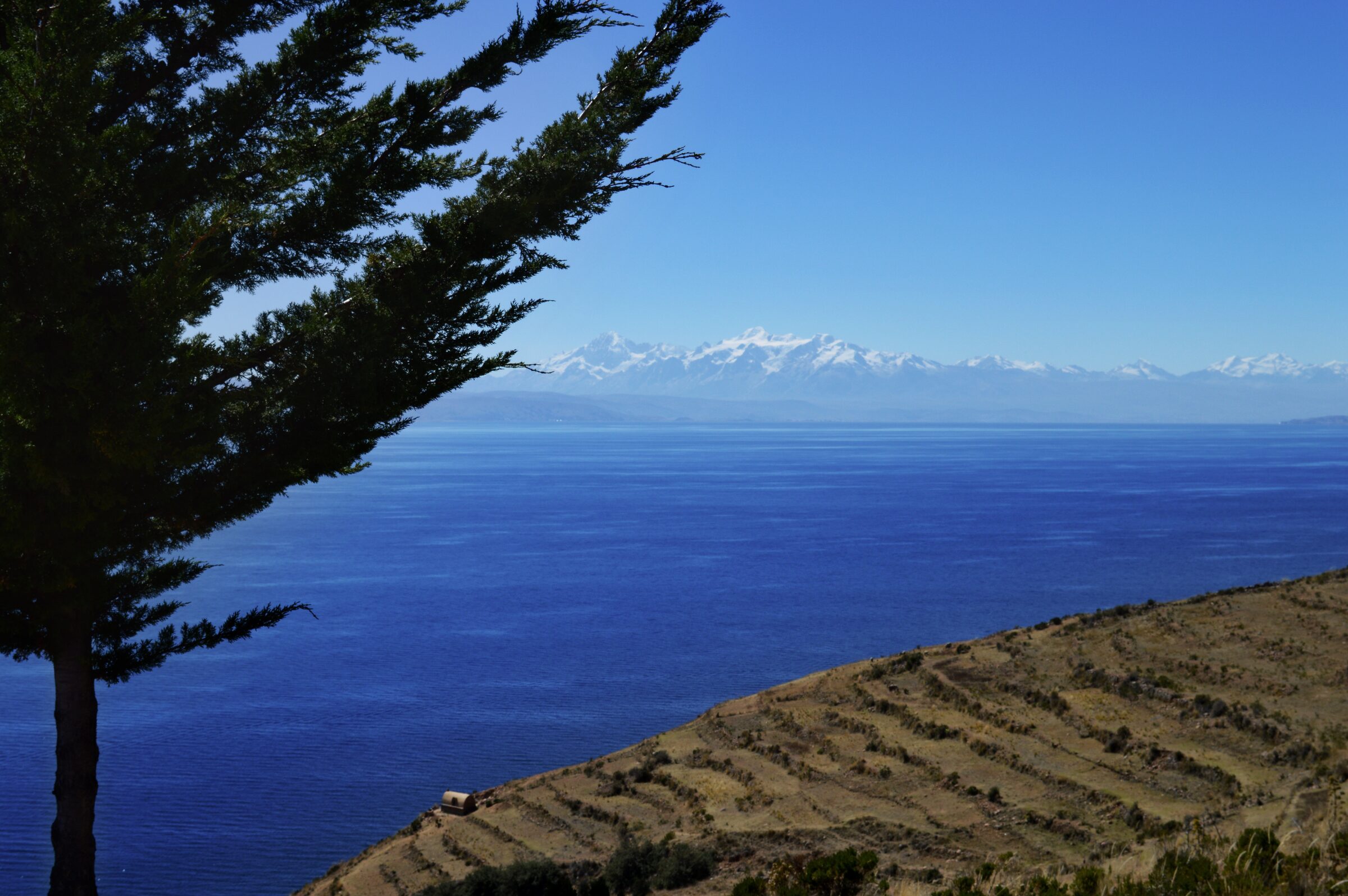
Sol for the next day (£3 per person). Lake Titicaca (3,812m) is the highest of
the worlds large lakes, and the water is pretty cold so swimming is not
advisable if you’re not interested in an icy dip. Before arriving at the Isla
del Sol, we first visited the Iñaq Uyu ruins on the smaller Isla del Luna (Sun
and Moon) and spent an hour there looking at the stone walls and pretty views. Isla
del Sol has some pretty views of the water too, and a short climb up some hills
will bring you to the Chincana Labyrinth, a set of 15th century
settlement ruins. We returned to Copacabana on the same boat a few hours later
and then got a late coach to La Paz and stayed the night in a hostel there.
Lake Titicaca Footprints, Cal Orck'o
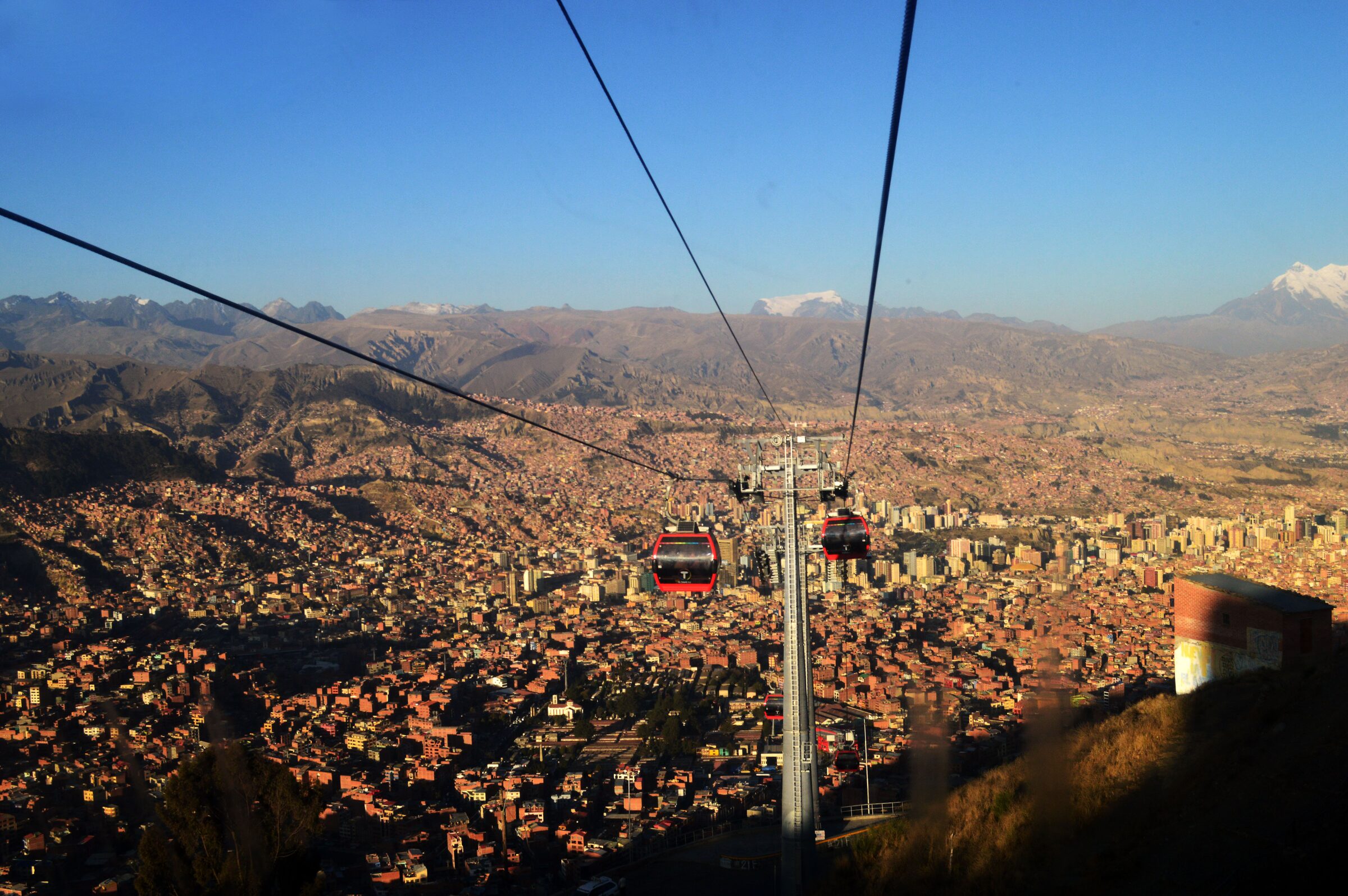
La Paz, the word’s highest capital city (3,650m) is a maze
of lowly built, sandstone-coloured houses with a great-big-snow-capped mountain
in the background and a series of cable cars to take you to various look-out
spots to see the views of the metropolis. As with most capital cities, I was
not overly interested in the place so I can’t say much more than it was a good
hub for onwards travel and there were some decent empanadas on offer and a drink of Duff at Moe's Bar is worth a go. We booked a 13-hour night bus to Sucre
for that evening (£20 each) and got comfy. Sucre (English translation: sugar) is an UNESCO world heritage site
where there are plenty of gorgeous 16th century buildings, bleached
white to match the nearby salt-flats. There are some lovely bars and
restaurants in the town as well as some lovely craft and clothes shops at the central market (Llama wool
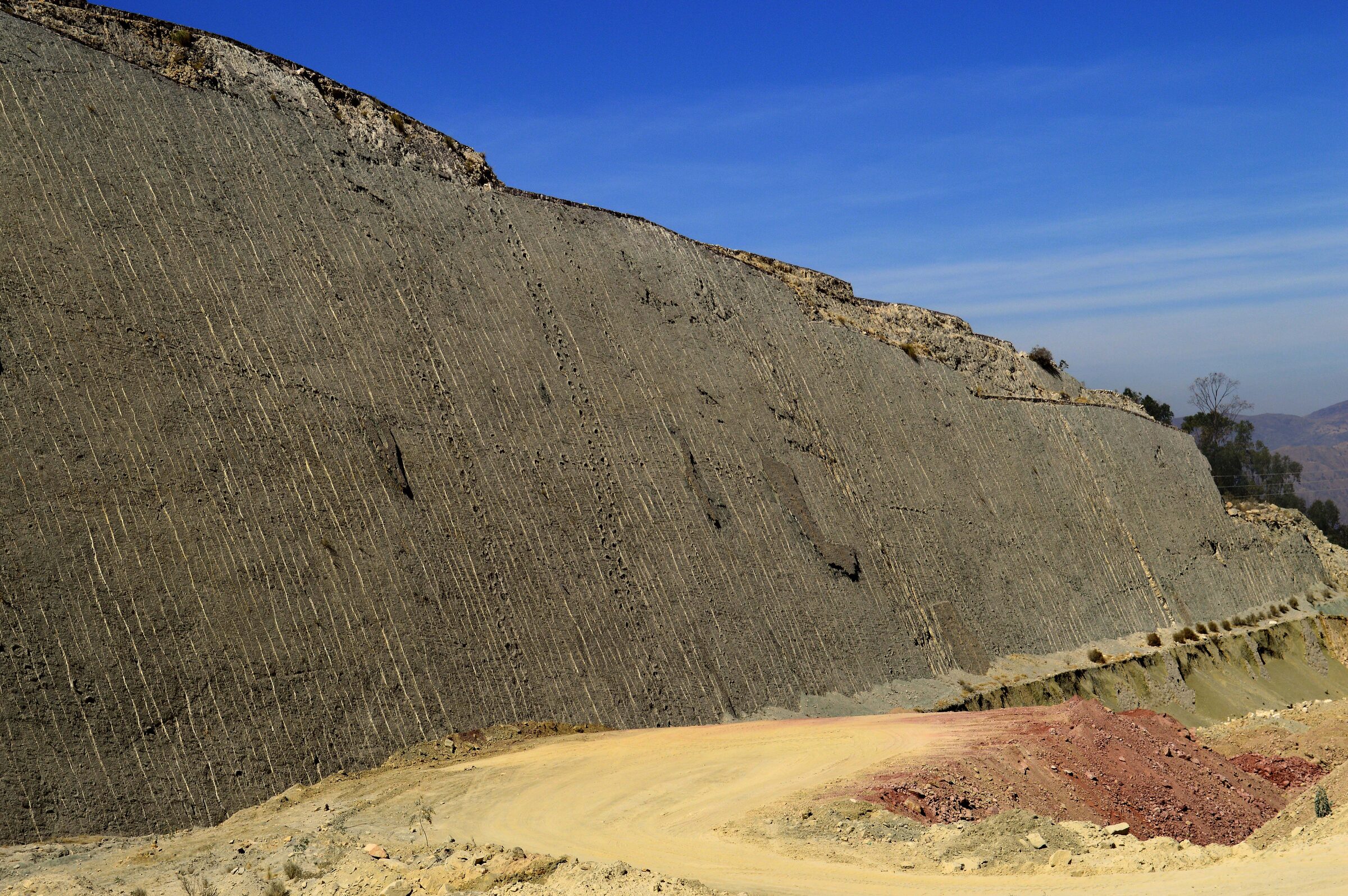
sweaters-a-plenty) but we spent the day going to see the Dinosaur footprints Cal Orck'o,
an incredible set of footprints preserved in the salty-ooze of the surrounding
landscape at the back of a well-created museum (£3 entry). Adorn your goggles
and hard-hat and get a glimpse of a near vertical wall of dinosaur footprints
not to be forgotten.
White buildings of Sucre
That evening, we booked another night bus to Uyuni (8 hours,
£10, arrive at 4:30am so be prepared) which is where we would start our 3-day
tour of the Bolivian salt flats; Salar de Uyuni. There are
lots of tour companies for this trip which last different lengths of time and
have different drop-off points so make sure you know where you’re ending. We
went from Uyuni to San Pedro de Atacama in Chile as that was our onwards travel
and followed an itinerary set by our tour guide similar to this
one (£143 per person, all food, travel and accommodation included). We
shared a 4x4 vehicle with three other people booked onto the tour and quickly
headed off to the salt flats and before long, we arrived at our first stop: the
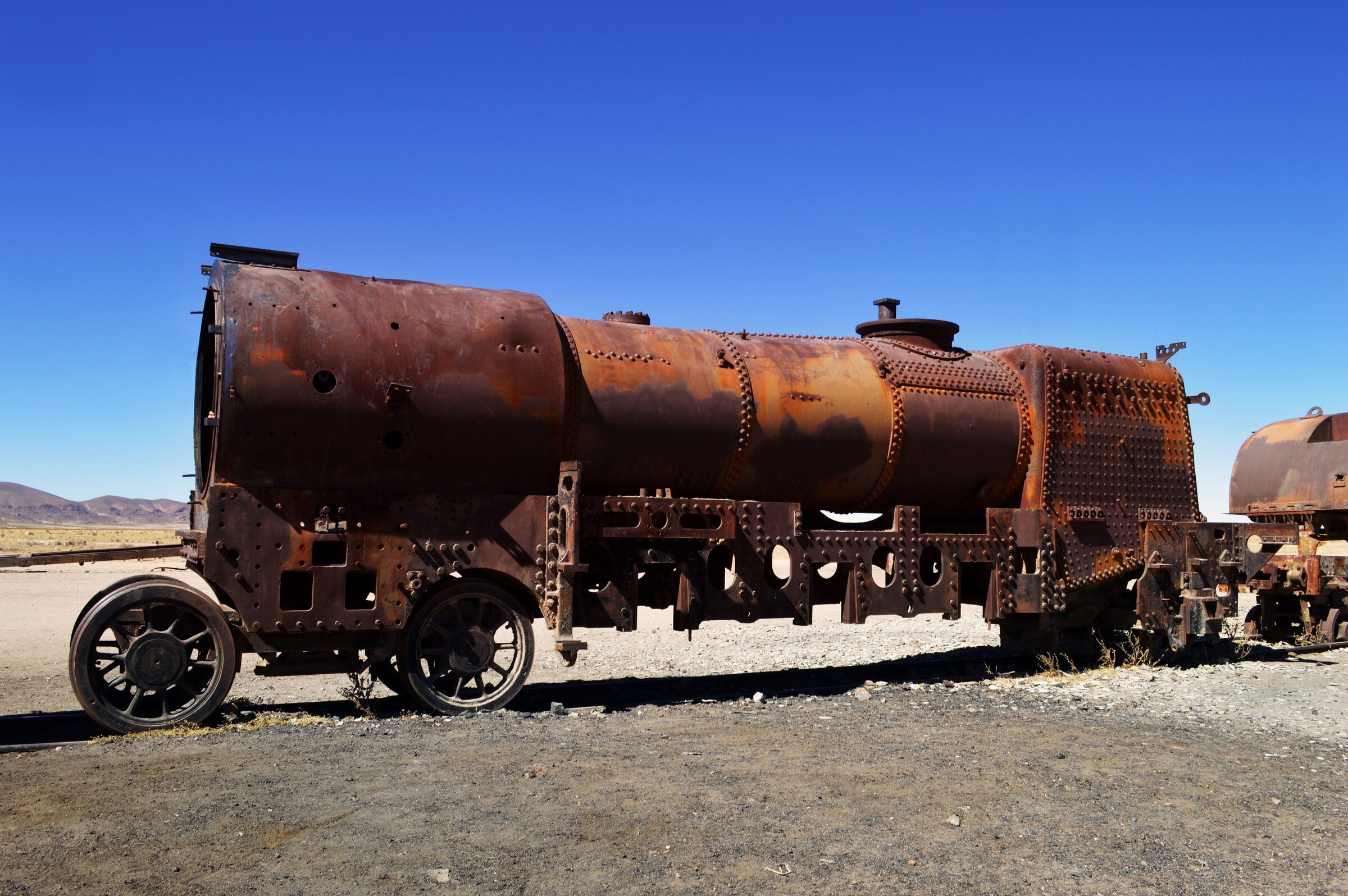
train cemetery (a bunch
of old-rusty-abandoned-steam-train-wrecks which was very cool).
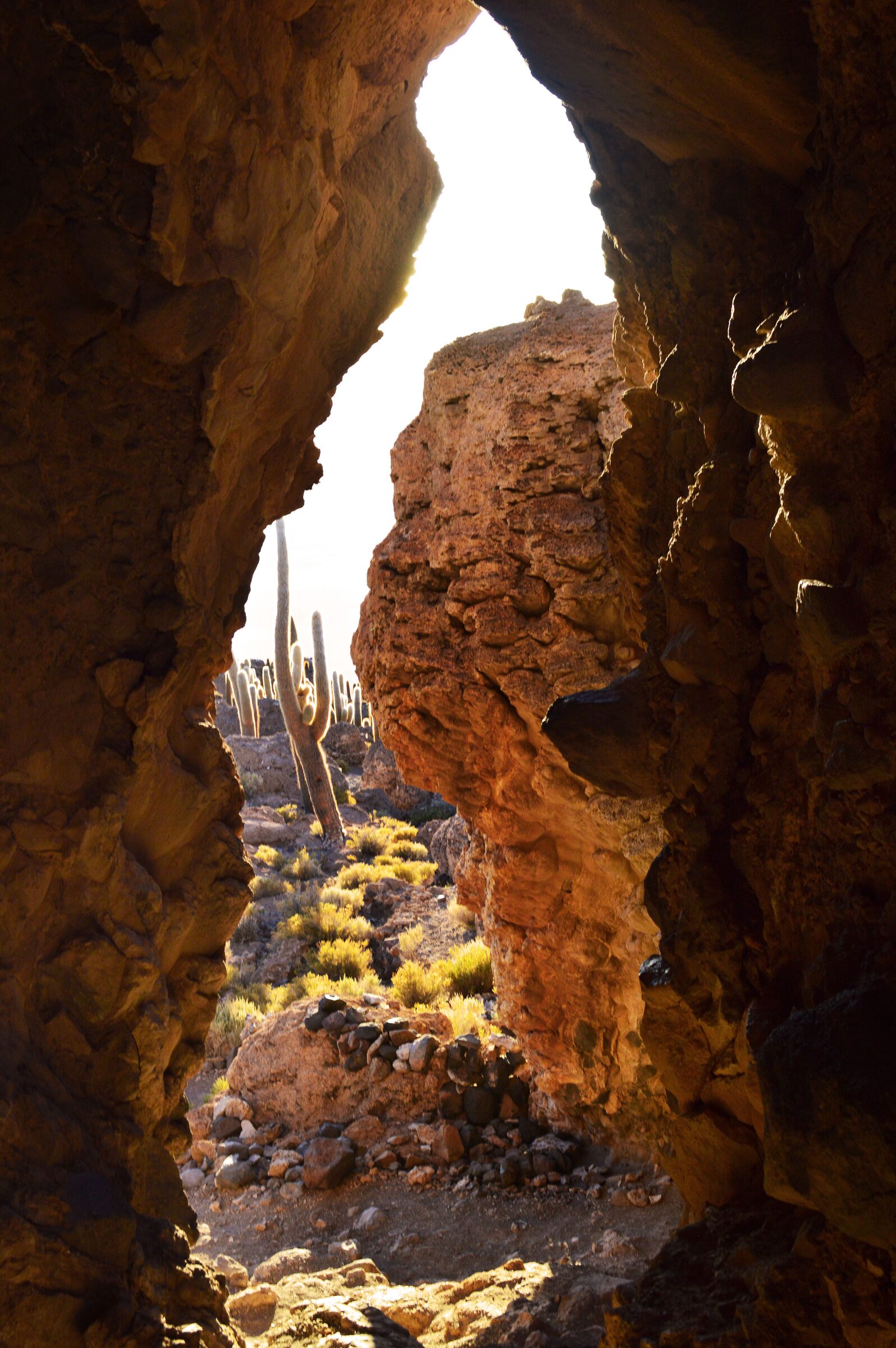
Train cemetarySunrise cactus - Incahuasi Island
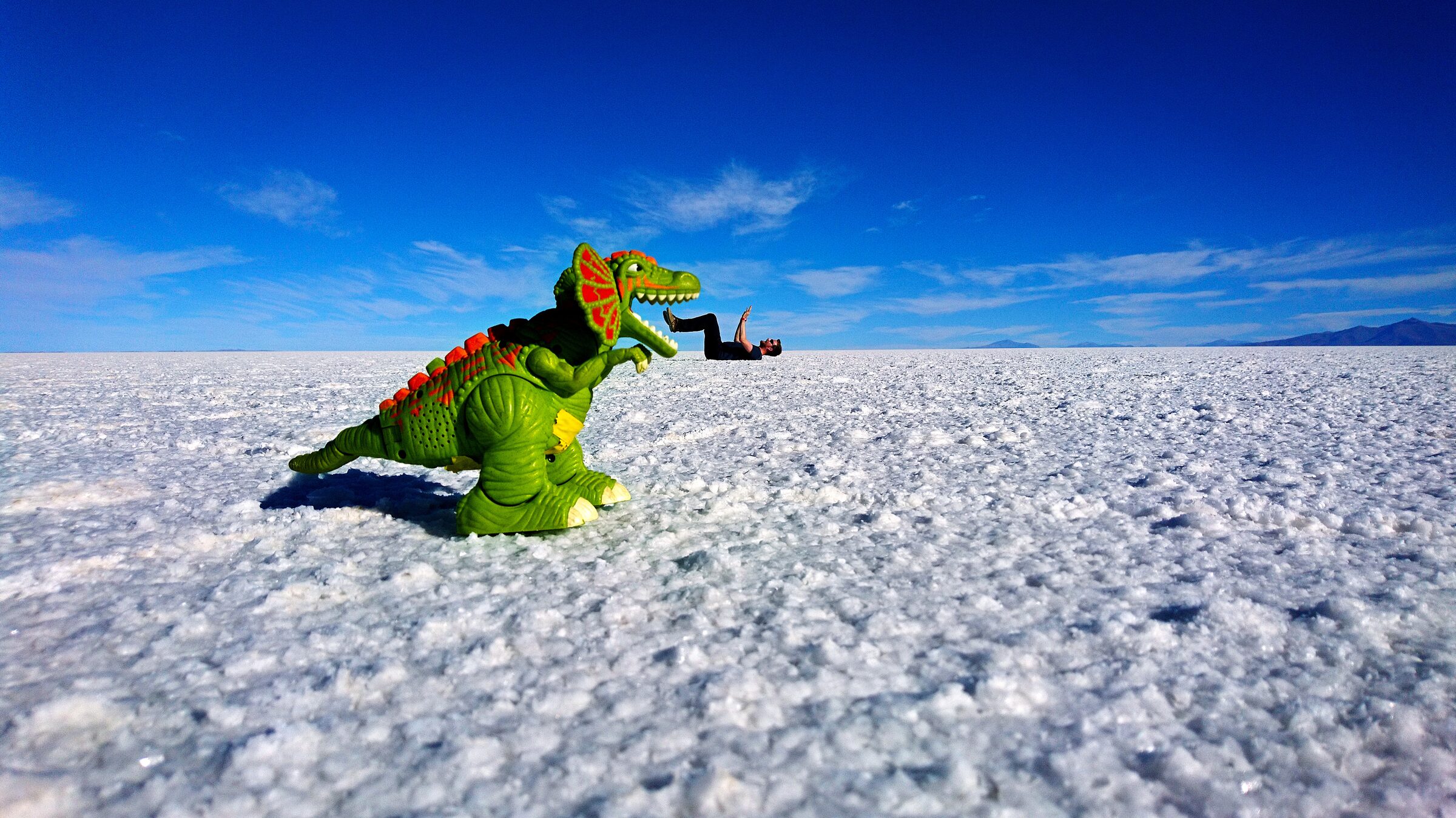
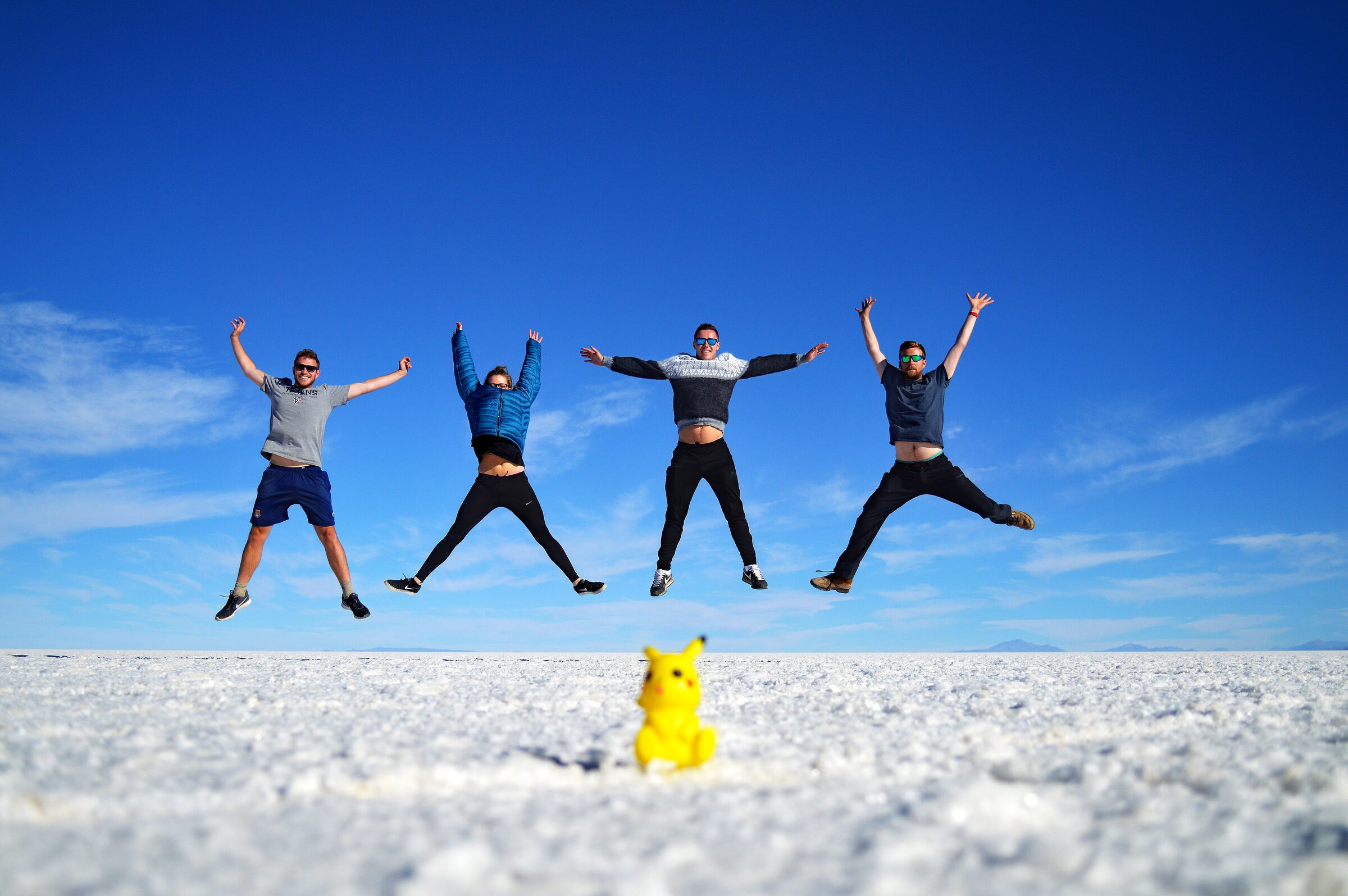
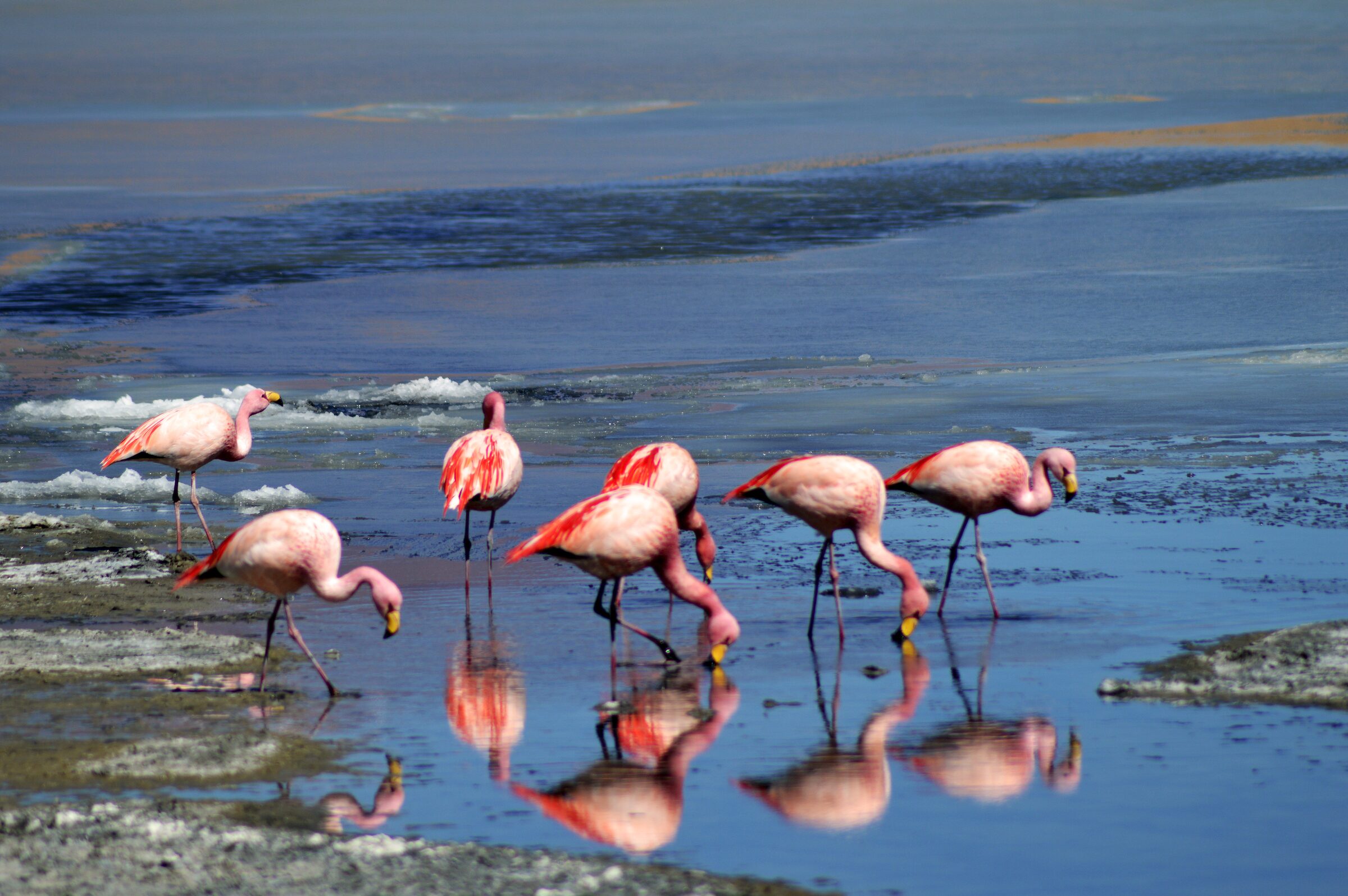
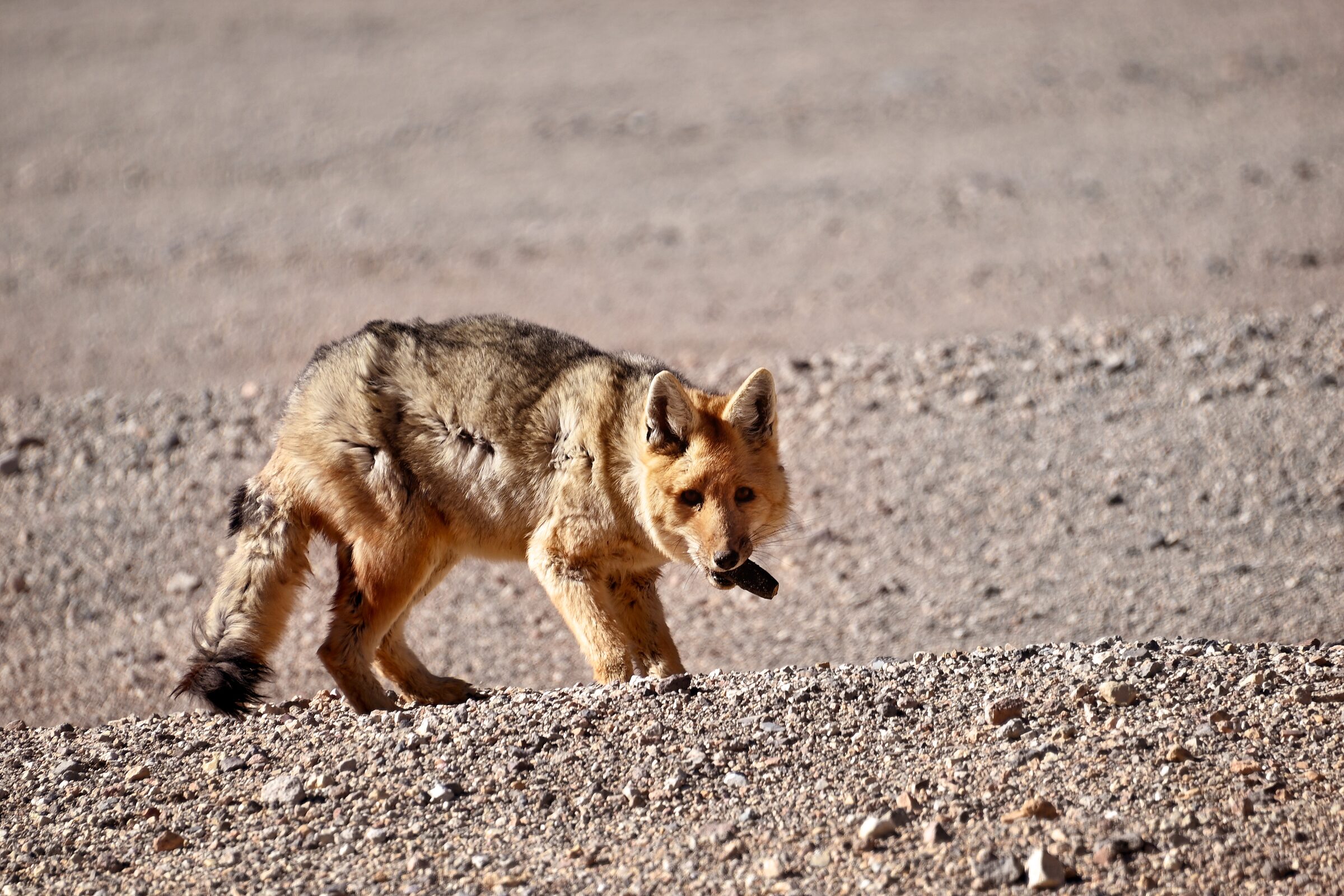
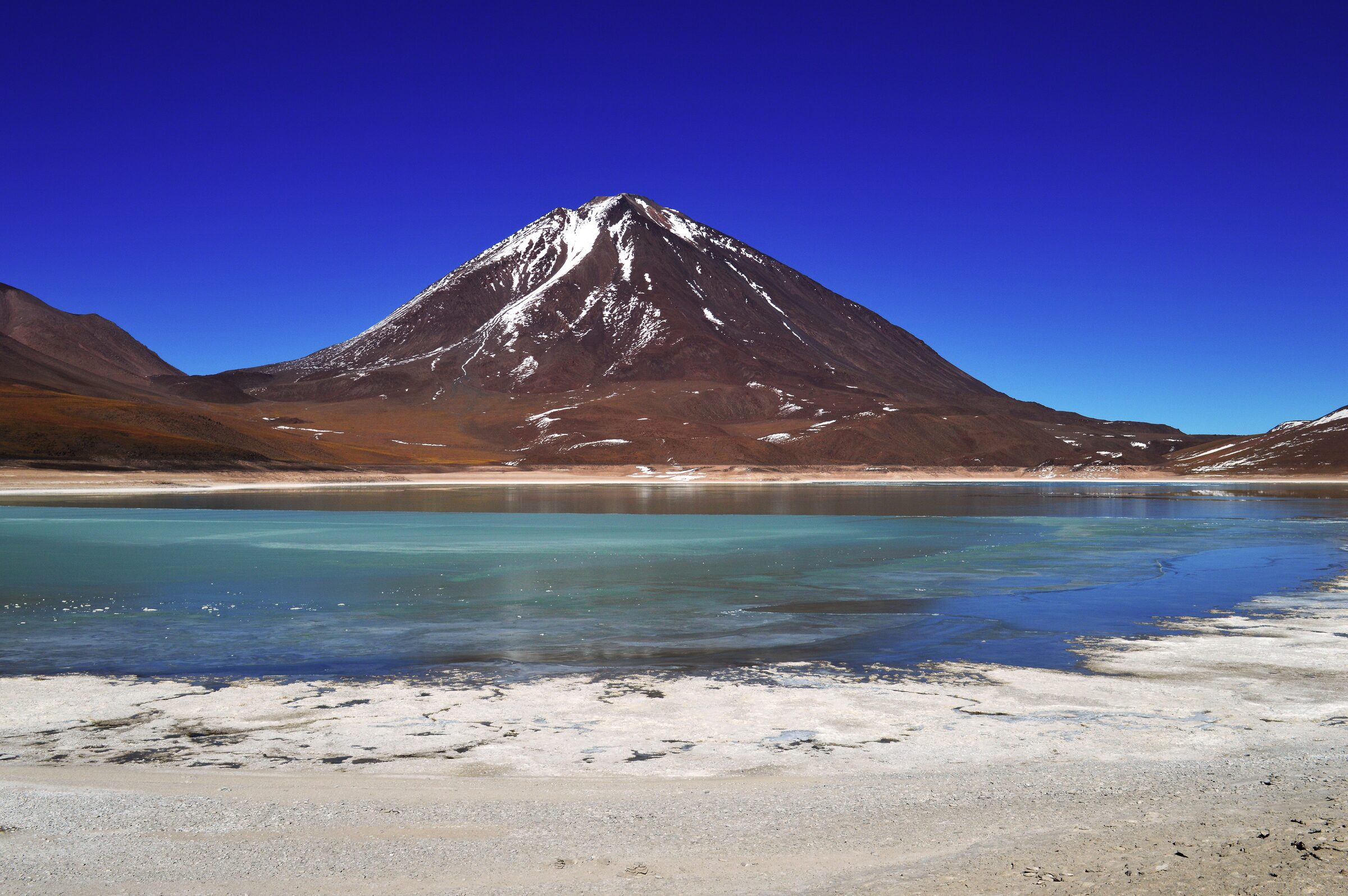
We continued on, stopping to pose for some forced-perspective photographs involving a toy dinosaur (hint: take some silly toy items with you on the trip as it is fun to do these kinds of pictures, especially if your driver is obsessed with orchestrating the perfect picture) and ended the day with sunset on the Incahuasi Island, a small island full of cacti. We then drove to our accommodation for the night: the salt hotel (made of actual salt) which ended a really magical day. Over the next two days we saw wild Flamingos and Andean foxes, high mountain lakes, sulphur pools and geysers and we bathed in the Polques thermal hot springs (£1 entry) before being dropped off in San Pedro de Atacama in Chile having crossed the border with the 4x4. A truly magical landscape unlike anything I’ve ever seen and an absolute must for anyone visiting Bolivia.
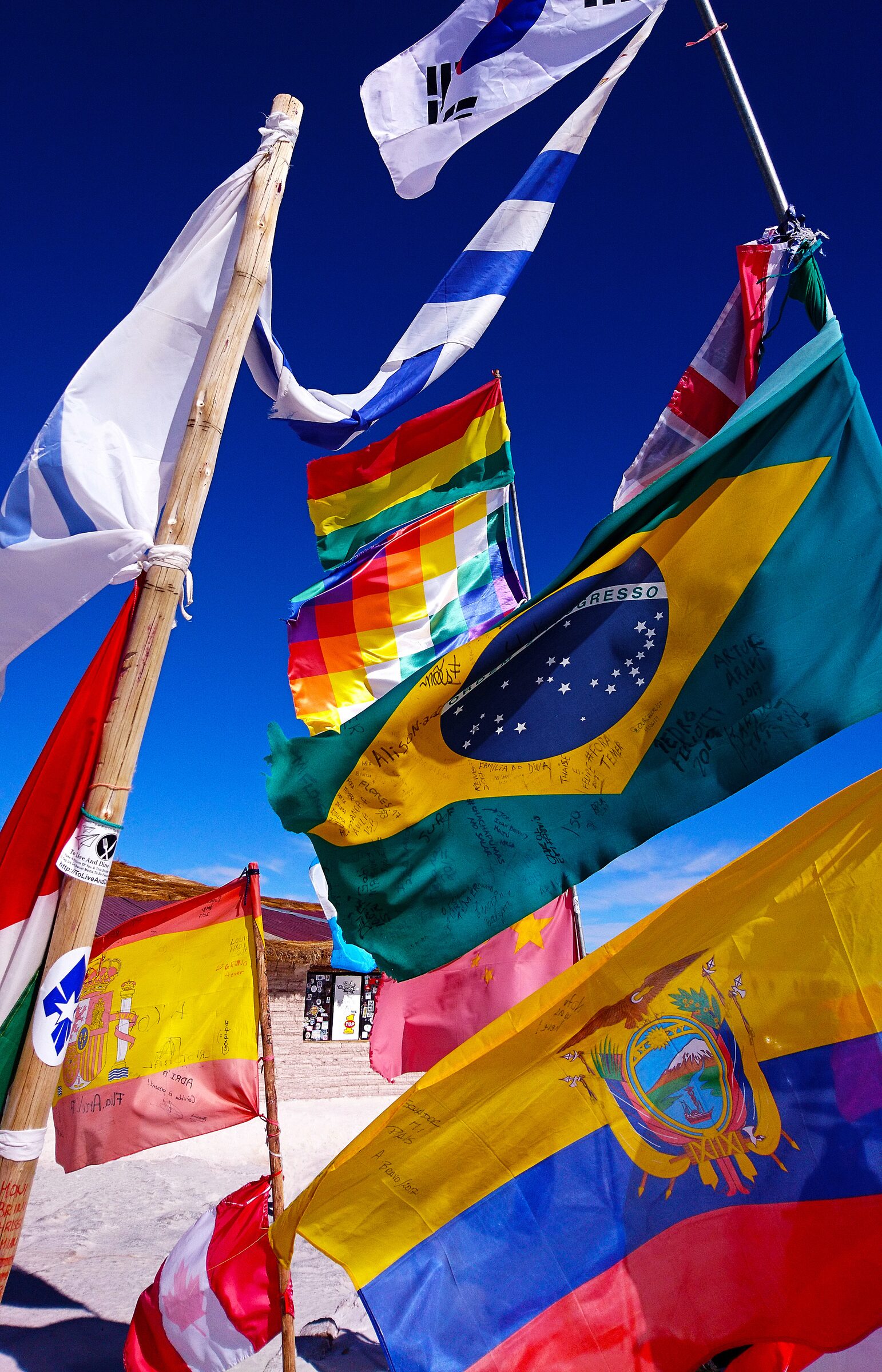
Flags at Uyuni salt flats
Salt flats funFlamingos Andean foxFlamingo
If you plop a trip to Bolivia into your itinerary between Chile and Peru then afford a few extra days for travel time or try and cover the trip at night as the distances between hubs are vast. There are no trains to mention and the constant high altitude does start to hurt your head after a while but there is nowhere on Earth you’ll find salt flats this large and beautiful to see, and the people are welcoming and helpful at every opportunity. La Paz and Lake Titicaca are worth a visit but the Salar de Uyuni is the main attraction, alongside the lovely city of Sucre. Use our advice or not, remember: it’s what you know, not who you know. PeruChile