Time spent: 3 weeks (2025)
Currency: Euro
Population: 2.1 million
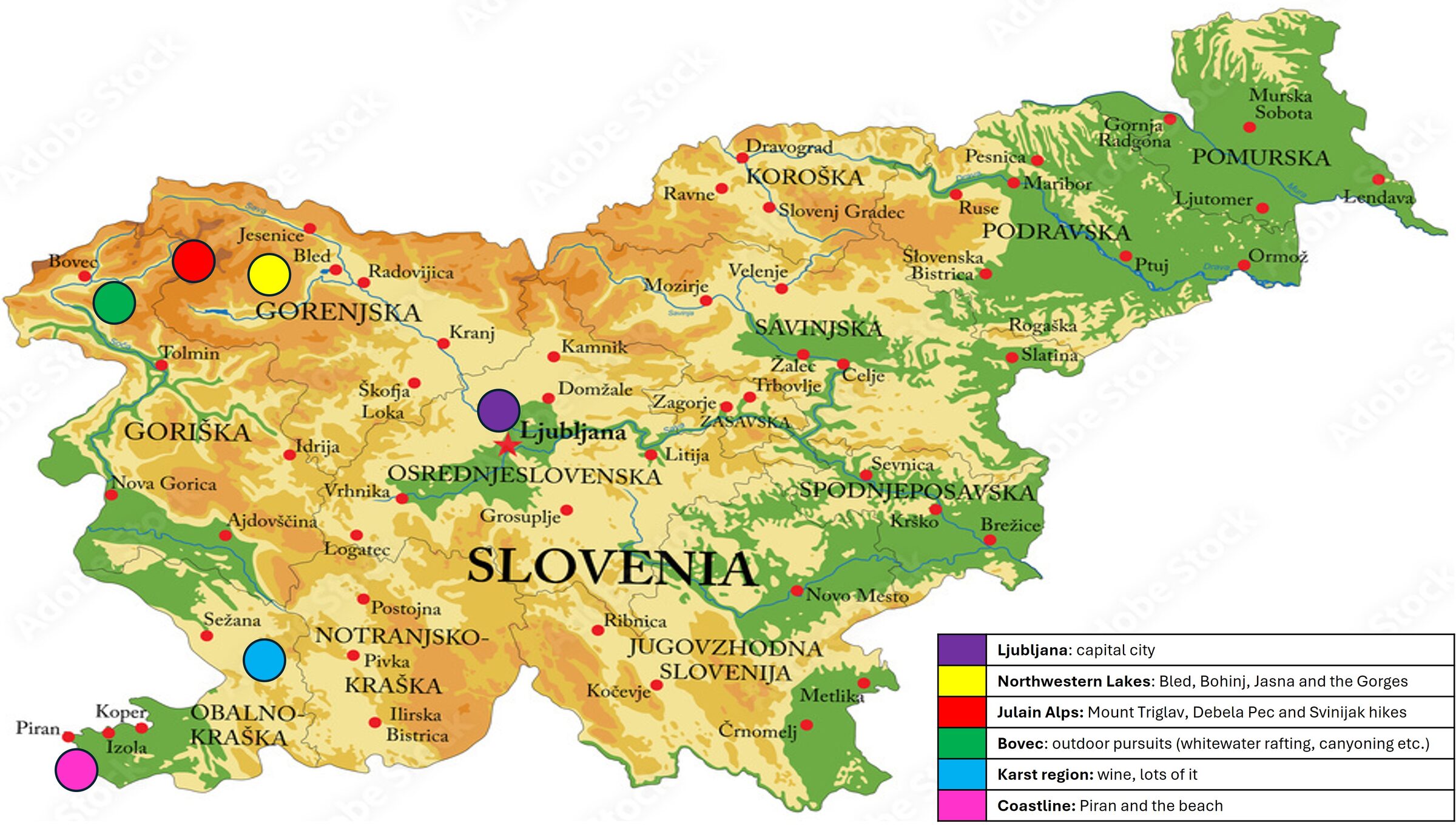
Itinerary: Ljubljana, Northwestern Lakes, Bovec, Triglav National Park, Piran, Karst wine region
Highlights: If you love hiking, outdoor adventure pursuits, wild swimming and wine then Slovenia is the place for you.
For our three weeks in Slovenia, we hired a car and took with us all our camping gear giving us the freedom to move about the country easily. Camping and driving aren’t for everyone and Slovenia has a pretty good train and bus network so you’d be fine with public transport doing all the things we list below but it just gave us that extra freedom we wanted for this trip. Camp sites were booked 7 or 8 weeks in advance through Pitchup.com and were generally really good value for money. We did however leave it late to book some hotels and hostels and we paid the price for it. Either way, below is a short and detailed description of our three weeks in Slovenia because remember: it’s what you know, not who you know.
Slovenia - lakes, hikes and wine
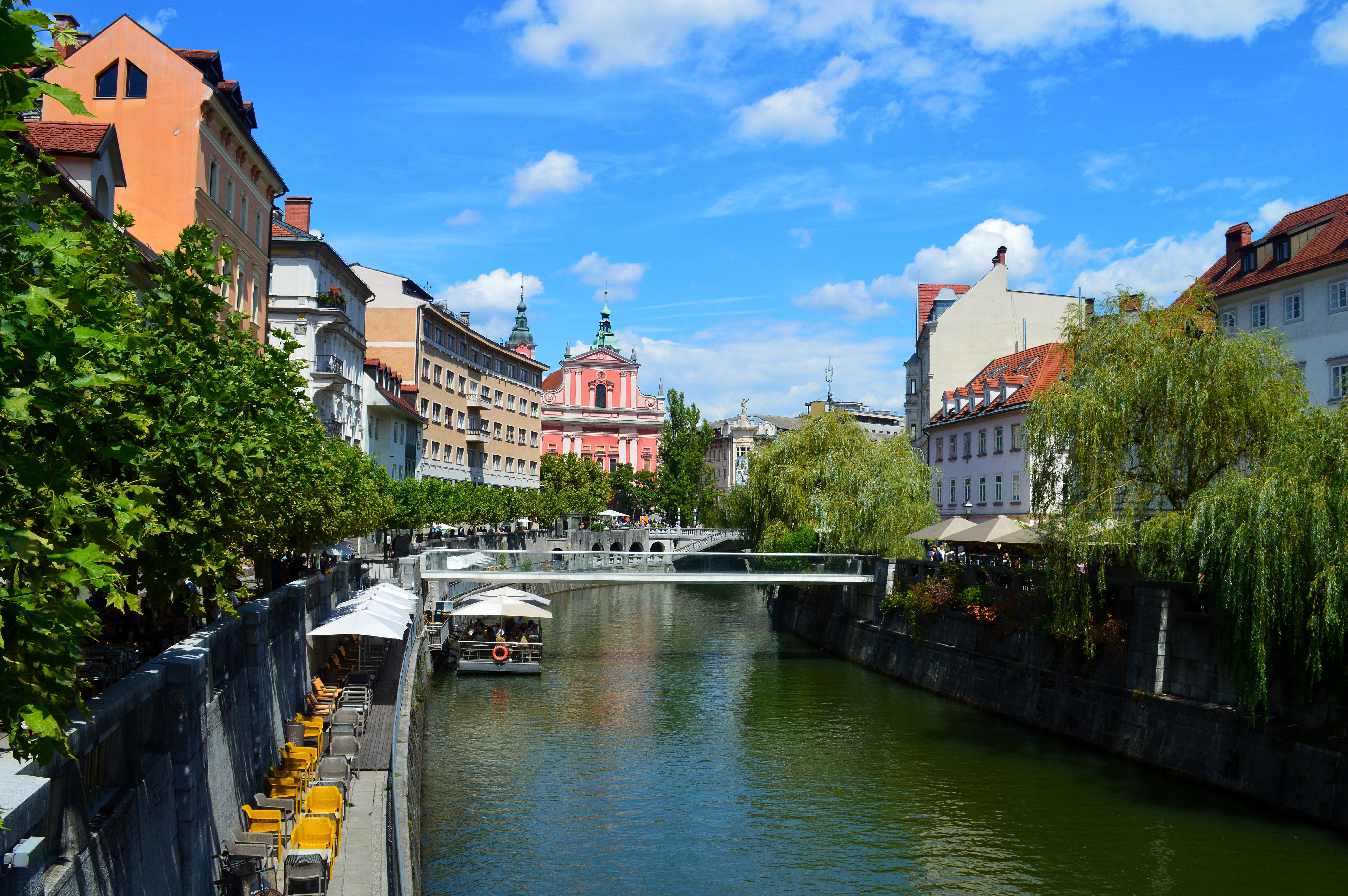
Ljubljana (pop. 290,000) is one of Eastern Europe’s loveliest cities. It is built on the Ljubljanica river (in the same way that all major cities in Eastern Europe are built on some sort of flowing waterway) but this one is easily the prettiest. There is a castle on the hill which is accessible by a steep 30-minute walk up some tree covered steps or a €3.30 ride on the funicular one way. Ljubljana in the summer is regularly 30°C plus so we opted for the funicular and walked back down after exploring the castle and wine shop. There are art exhibitions and museums you can enter for an extra €15 per person but we were on a cheap day so didn’t bother and spent the day walking around the river, have a coffee / beer at one of the many cafes and bars and perusing the market. We’re not city people in any form, but this was a nice one.
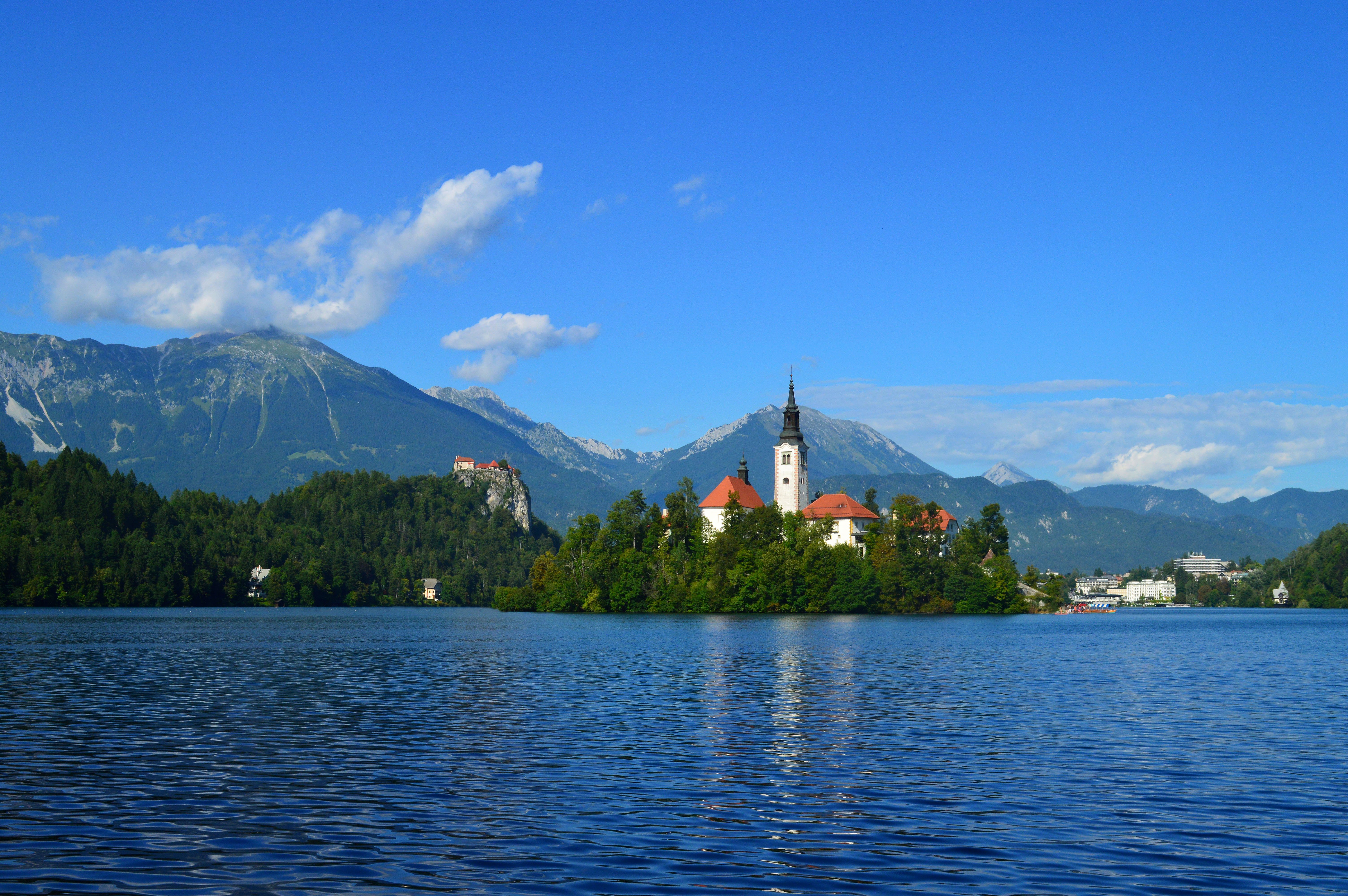
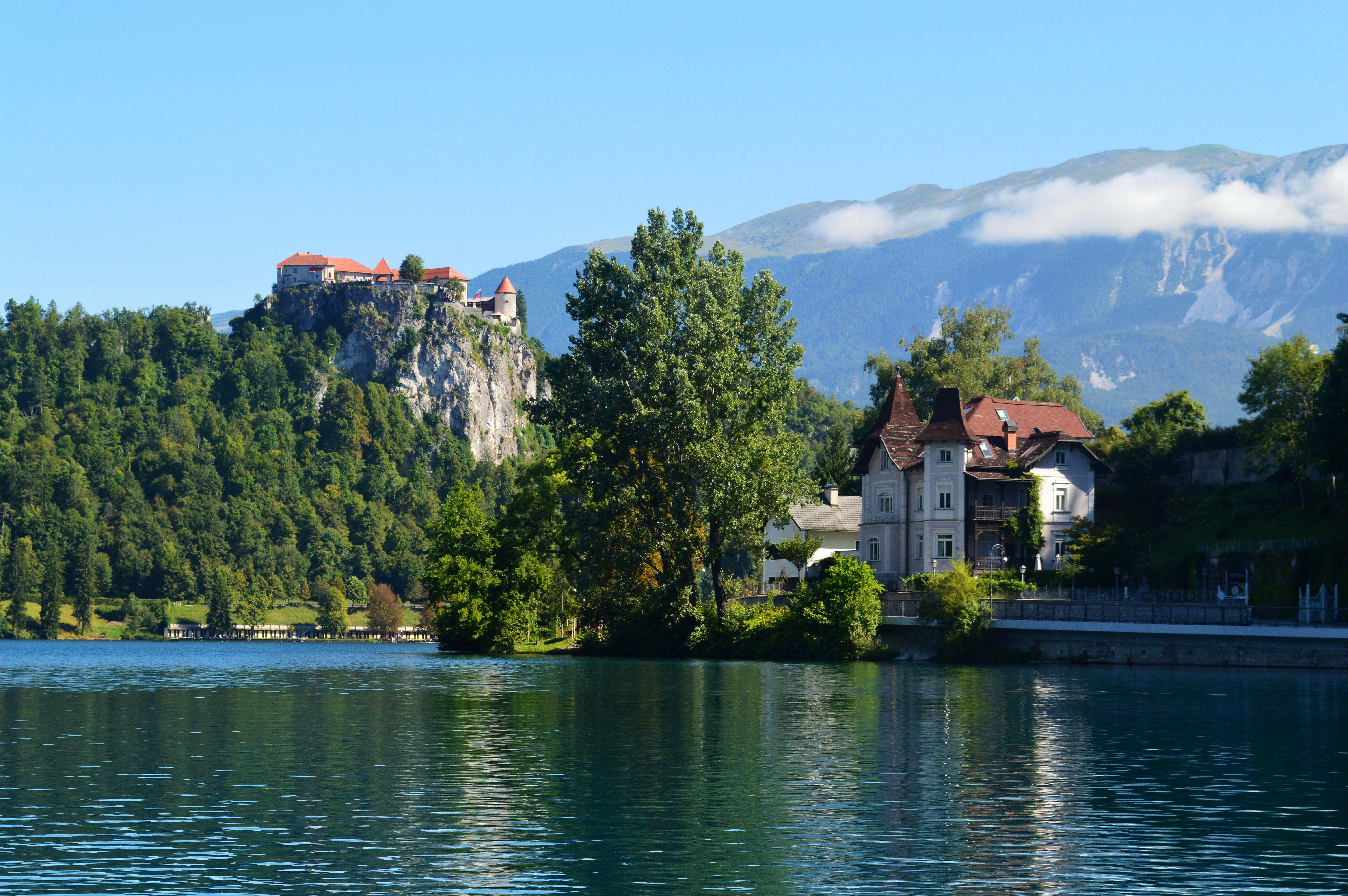
One of the biggest draws for people to Slovenia are the North-western lakes, particularly Lake Bled, with its gorgeous neo-gothic church (built in 1905 replacing a thousand-year-old original) standing on a tiny, picturesque island. Generally speaking, we avoid tourist traps, but Lake Bled genuinely delivers and is worth the wait in traffic. You’ll never get over how crystal clear and warm (25°C in the summer) the water is, the stunning view of the lake, church and castle in one perfect panorama and how relaxed everyone seems to be. There is a walking path around the lake which is only 6km long so you can trek the circumference in 2 hours easily. We hired a rowing boat for €25 for an hour and heaved our way out to the island to look around the church where we rewarded ourselves with an ice cream, followed by an afternoon swim in the lake which was glorious. This is one of those places that is worth the hype. The castle on the hill (€18 entry per person) gives beautiful vistas of the lake and mountains but didn’t seem worth the cost of entry and you must climb to the top of the hill before you’re told of any entrance fees so be warned!
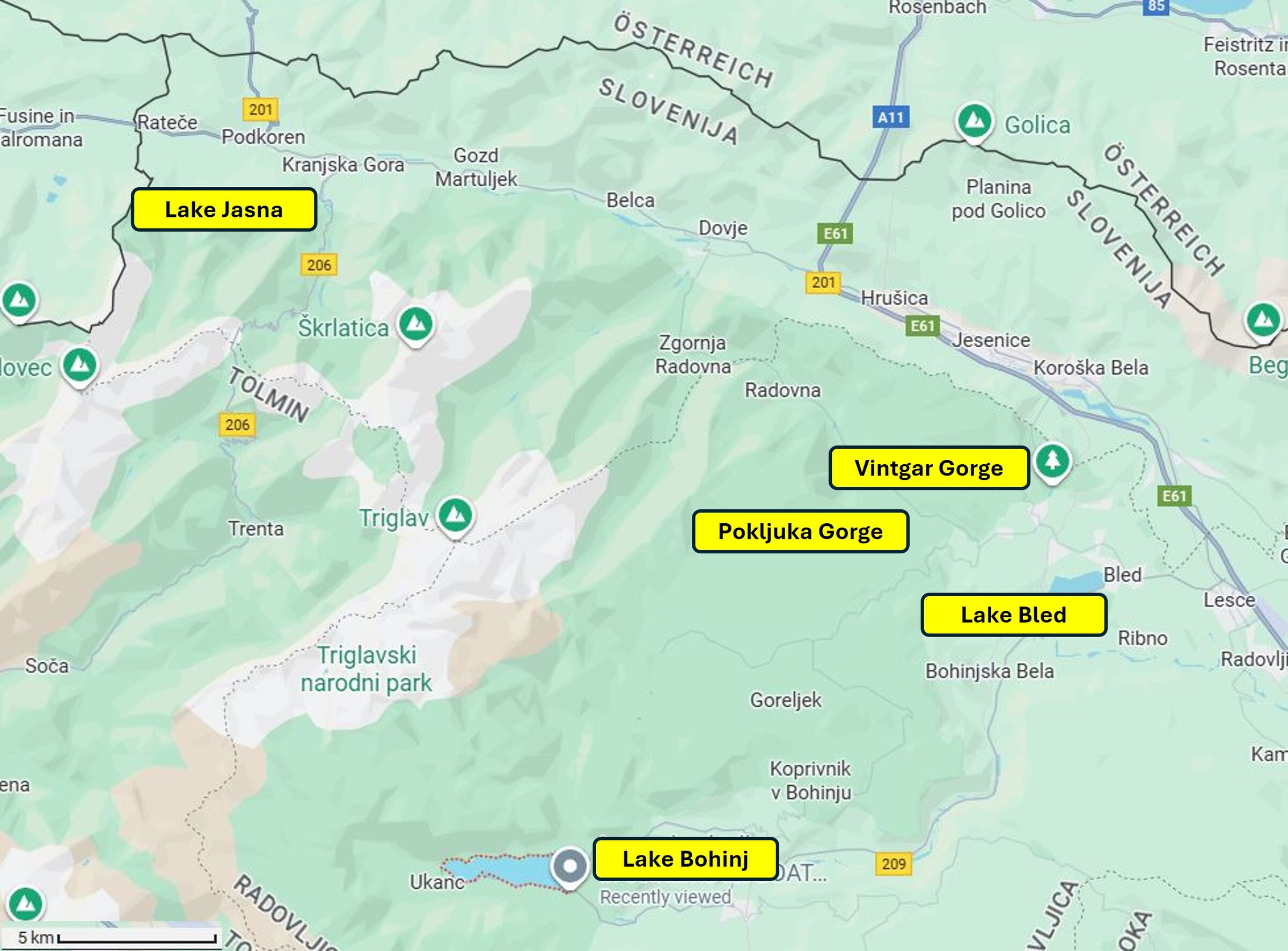
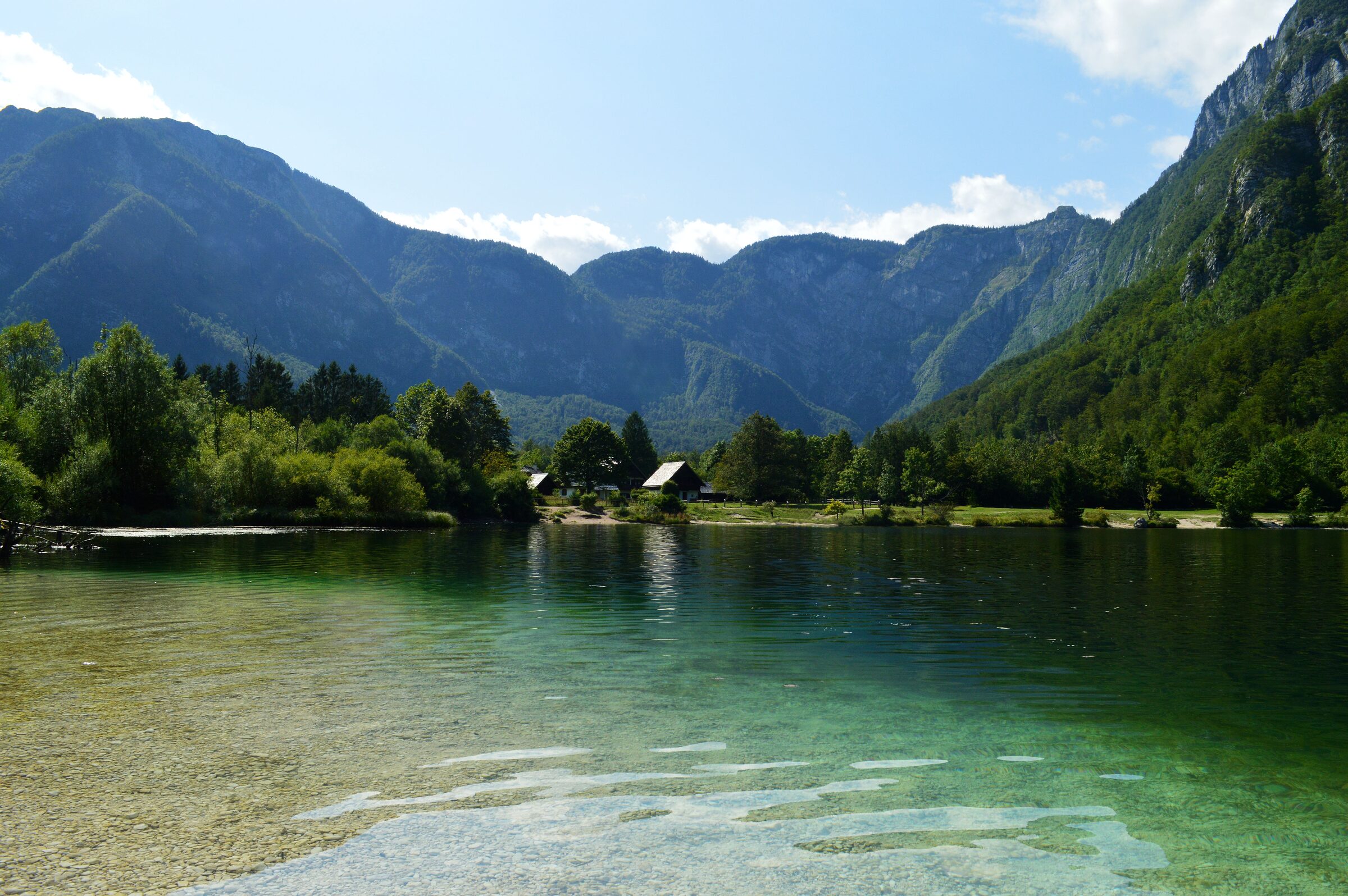
Lake Bled’s bigger sister Bohinj is twice the size, half as busy but just as pretty (although it lacks an island-based place of worship). Bohinj is a 20km bus or car journey away from Bled and will take you double the time to walk around the 12km circumference of the lake, but the water, mountains and scenery are just as stunning as its sibling. We dropped the car at a car park over the bridge for €15 for the day and then hiked round the whole lake, stopping off for an hour swim at the western shore end where there’s a beautiful white pebble beach. The water is 2 or 3 degrees colder than Bled but it is still 21-22°C in the summer which is delightful. There are places to hire kayaks and SUP but we opted for a swim instead. There are lots more hiking trails around Bohinj and you’re more likely to find a secluded spot on the shoreline here than in Bled which makes Bohinj feel more exclusive than its crowded sibling. Both are beautiful and the Bled vs Bohinj debate goes on. In the very far north-western corner of Slovenia is a small town called Kranjska Gora where chairlifts for winter skiing and the tiny but spellbinding Lake Jasna are found. We drove out there to have a dip in the emerald waters of the lake (which is more like a large pond in comparison to Bohinj) and did a short hike around the river. With it being so close to the border, this is clearly a favourite spot for international travellers from Austria and Italy and rightly so! On a rainy day (which we encountered early on in our trip) there is a wellness spa in Bohinj where for €29 each you can spend a day in the main pool, outdoor pool, jacuzzi and adults only spa section of the complex. It was a little steep in price for what it was and it was incredibly busy, but when it rains there’s not much else left to do and everyone else was in the same boat!
This area is also home to the Pokljuka and Vintgar Gorges. Vintgar is more popular and well-known but as we found out, costs €15 per person to get in and you have to book a specific arrival time in advance. We turned up thinking it would be like any other natural wonder but unfortunately it has been turned into a tourist trap where huge coach loads of people bundle out and wander the board walks in huddles. This made us leave and go to Pokljuka gorge which was free, basically empty and just as lovely. A 3 hour hike around the gorge over wooden staircases, bat caves and stunning pine forests was a clear indication we made the right choice by leaving the overcrowded Vintgar gorge. If you’re interested in gorge walking however, see the page on Slovakia.
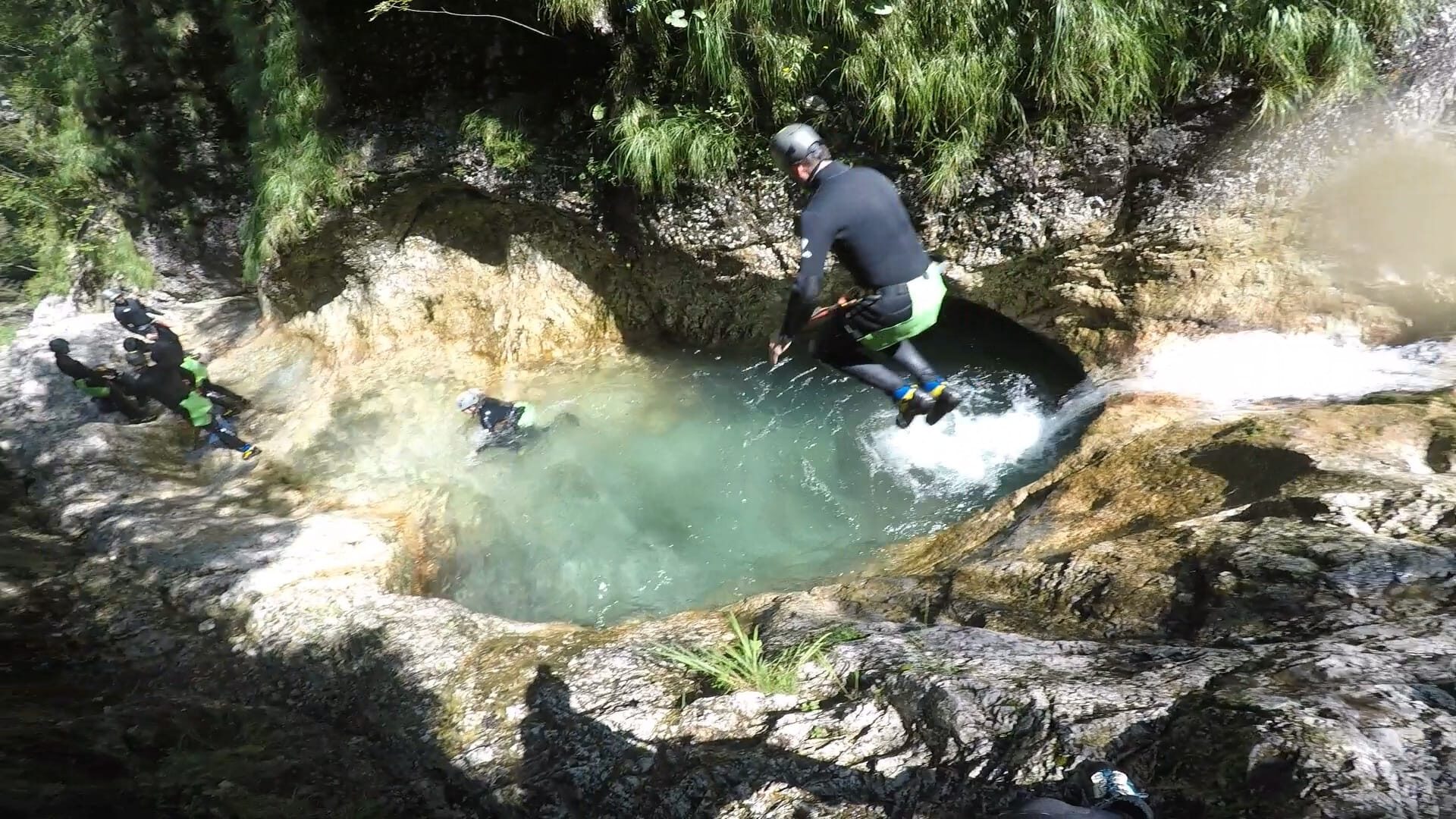
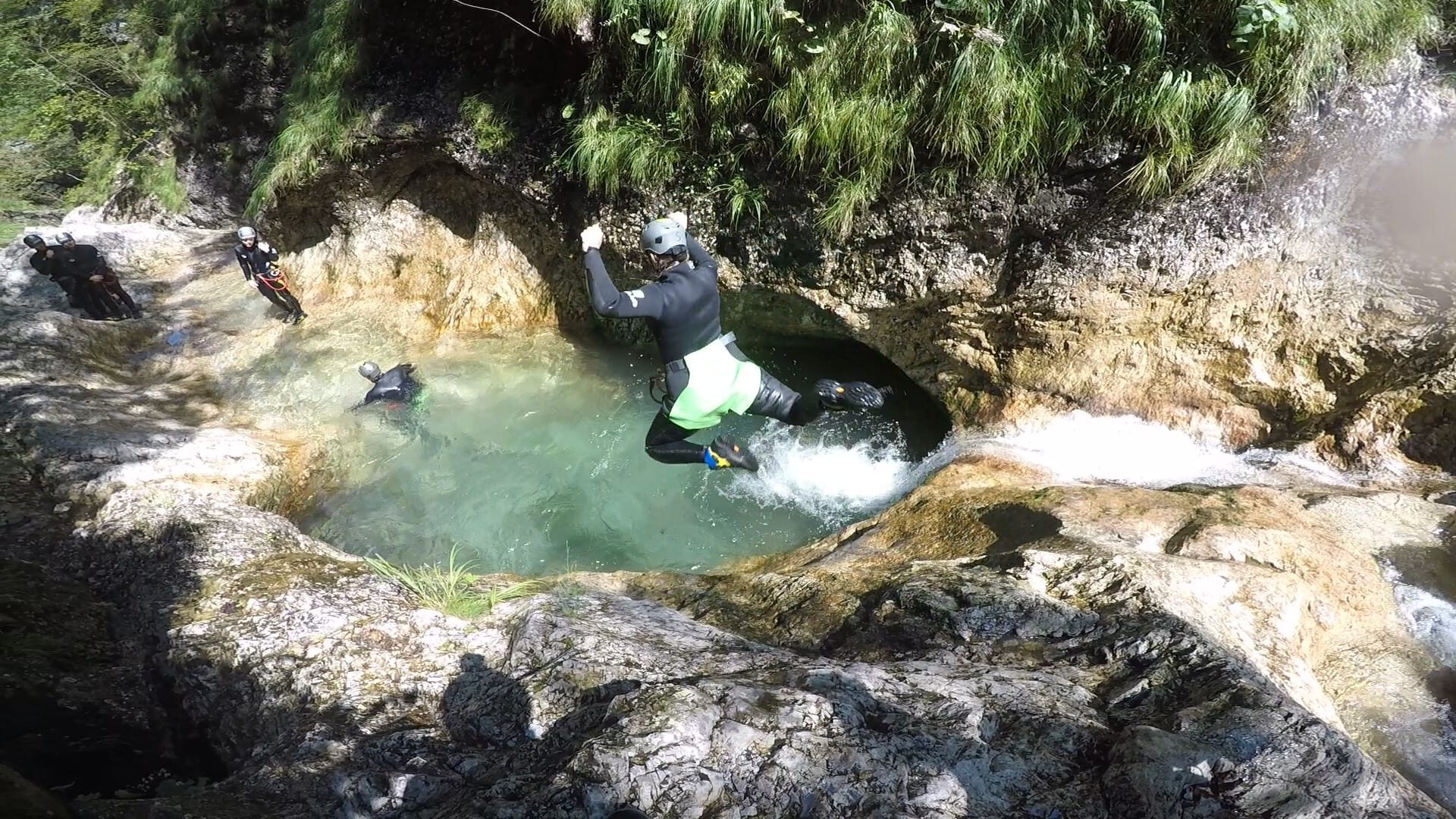
Bovec is situated in the west of the country on the Soca River, a breathtakingly clear (and cold) glacial river, which serves as the home for all the best outdoor adventure pursuits Slovenia has to offer. We camped at the lovely Camp Vodenca where the facilities were great (including beer on draft) and the hosts were brilliant, booking tours and arranging pick ups for us whenever needed. There are loads of outdoor pursuit companies in the region and we went with Fröccs (a Hungarian owned enterprise) as the campsite recommended and then booked them for us. We went white-water rafting which was €70 per person for 3 hours and canyoning which was €60 per person for 2 hours. Both experiences were fantastic but the canyoning was the highlight of our entire trip. After driving for 10km and hiking upwards for 30 minutes in our hired wetsuit gear (included in the price for both excursions); we were shown how to get into our harnesses and set about 2 hours of jumping and sliding into freezing cold water along a stunning gorge. We’d never done canyoning before, but it is now our new favourite thing. We’d highly recommend the experience if you’re into jumping off 5-metre-high rocks into pools of freezing water.
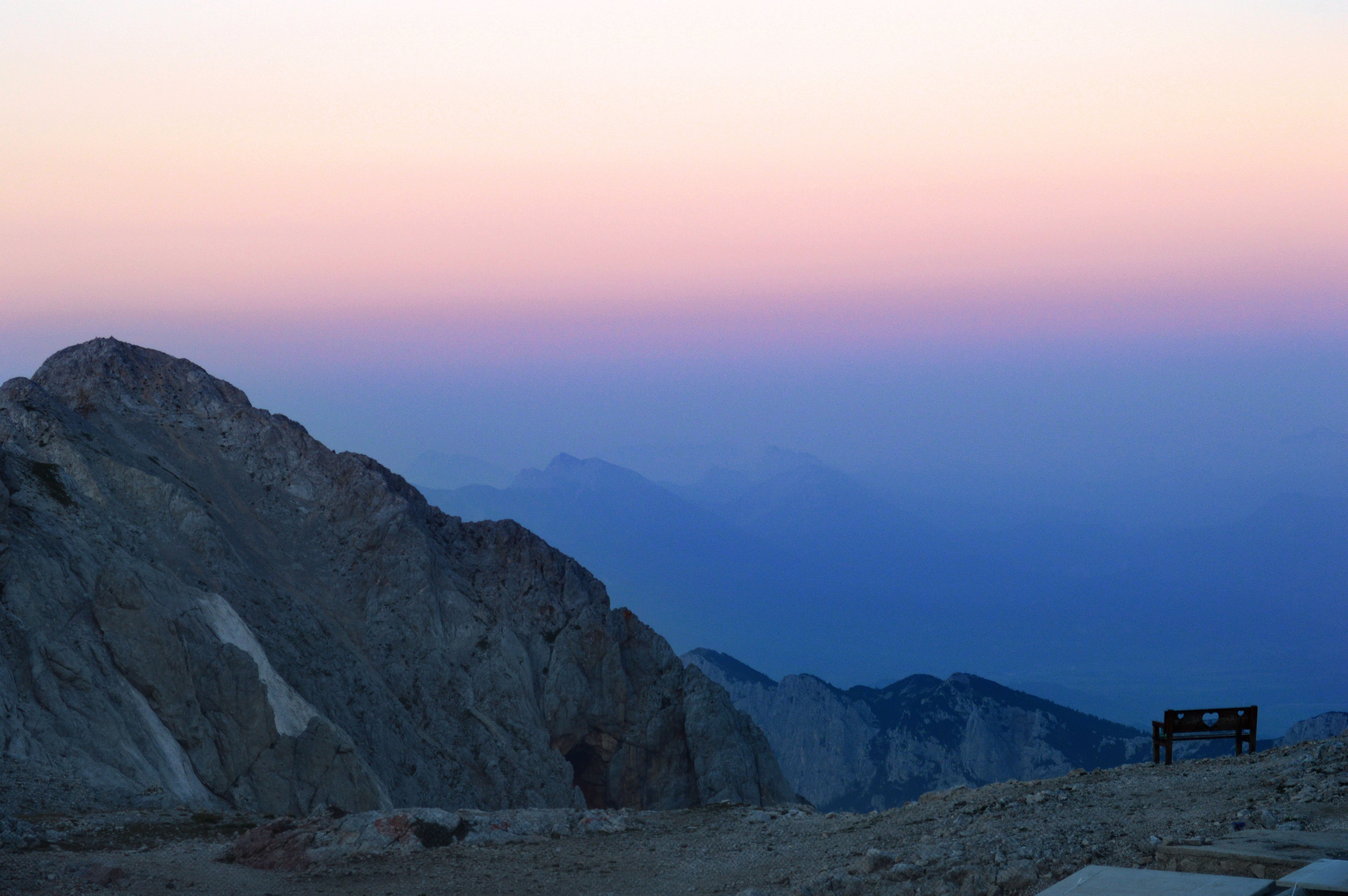
The Julian Alps is the home to the majority of the best hikes in the country. Nestled in the top left-hand corner of the country, Mount Triglav is the highest peak in Slovenia at 2863m and to climb it is a right of passage for every Slovenian at some point in their lives. The hike (18km) can be tackled from numerous starting positions but as we’re just you average hikers, we chose the southern route which is the most accessible. I should point out at this point that the hike takes two days to complete and you’ll need to book accommodation at one of the dorms on the mountain well in advance. This means choosing a date at least 7 or 8 weeks in advance (as they get booked up early) and hoping for good weather on your chosen ascent day. This also has to be done via individual websites as there is no master booking service. We stayed at Triglavski Dom Kredarici (2515m) in a half-board dorm room (€64.50 per person) booked directly through their website. The facilities are basic as you’re up a mountain but the food was fine and there was beer on draft. Look out for the eccentric owner behind the bar who’s answer to one guest’s request for Wi-Fi was “no, make some new friends!”. On top of the advanced accommodation booking, to get to the very top of Mount Triglav on day 2 you’ll need to take with you via ferrata equipment, a helmet and possibly a guide. We didn’t do this as we are scared of heights.
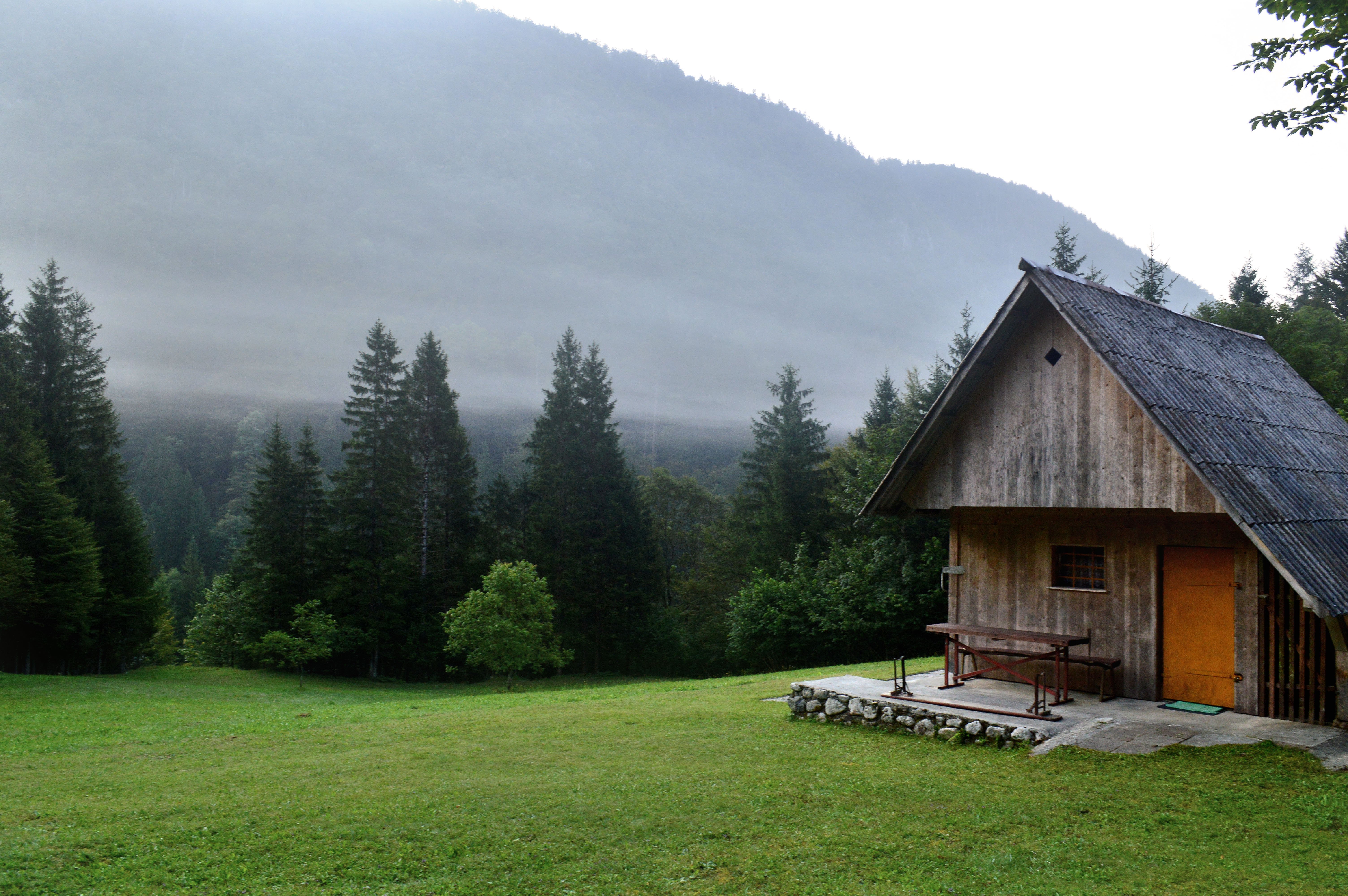
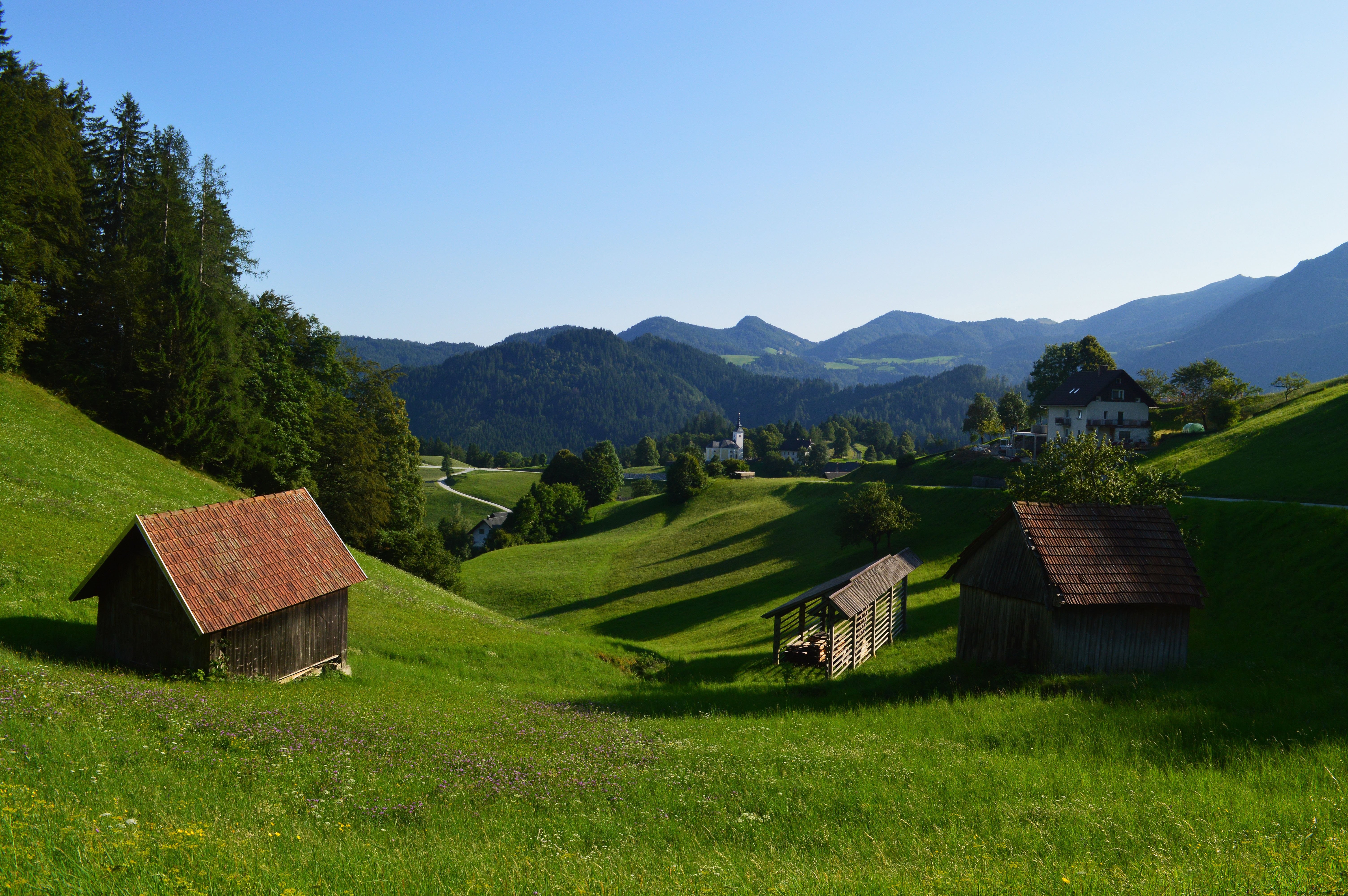
The hike itself is worth it. We started our southern ascent just north of town near Bohinj called Stara Fužina where we parked for two days at Planinksa Koča na Vojah (costing €40 for 2 days having driven through a ticketing barrier) at 7am which was a good move given how hot it was. We managed to get through the first few kilometres of tree lined trails whilst it was still relatively cool and the trail is really well marked with large red signs giving you an estimated length of time which was pretty accurate for us. After a few hours of steady incline, the trail opens out into a meadow before becoming a path along the open hillside. There are occasional via ferrata style hand grips and cables to hold onto but nothing which needs the full gear. There are other ascents which do require fully equipped via ferrata but we’re not good at heights which is why we chose the ‘easy’ route. There are a few mountain huts you can stop off at along the way (Vodnikov dom na Velem polju is the place to refill water as some others don’t allow you to) but the walk is relatively varied and not too strenuous. The final 2km are steep and include a few more cables and hand grips than before but walking poles are more than enough to help out. The first day walk ends at the Dom you’ve booked and it took us 8.5 hours to go from trail head to our accommodation which is almost exactly what the signposts suggest. To get to the very top of Mount Triglav however, you do need via ferrata gear, a helmet and a head for heights. We had none of this equipment so we didn’t climb to the top the next morning like most do, instead hiking back down the same route in a similar time frame, stopping off at a lovely little waterfall near the end of the trek to dip our feet.
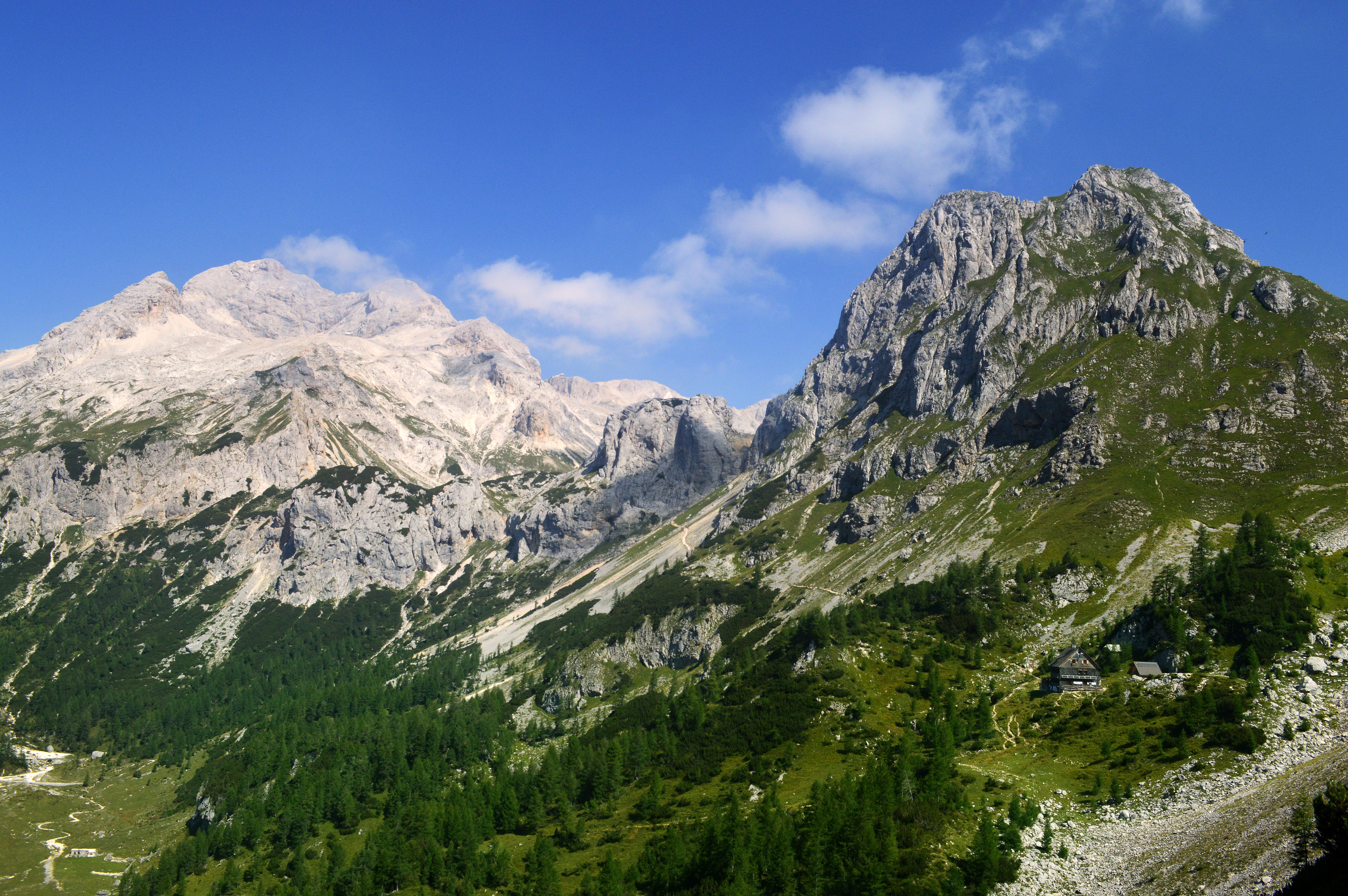
In our time in the Triglav National Park, we also hiked to the top of Debela Peč (18km, 2014m) starting from a roadside parking space found 500m north of the tiny village of Goreljek. A lovely walk through pine forests and hilly outcrops which was a relatively easy hike. However, we did it on an overcast day so the view from the top was just cloud unfortunately. Despite this, it was a great hike which took us roughly 7 hours in total and is perfect for anyone who is an amateur (or avid) bird enthusiast as there’s plenty to find! A hike I wouldn’t recommend though was the Svinjak peak near Bovec, otherwise known as the Slovenian Matterhorn (which we didn’t know in advance). After 4 hours of excruciating upwards hiking (starting from our campsite) which seemed to go on forever, in the blistering heat with either no shade, no breeze or both; we reached the top to see a view which was beautiful but somehow didn’t seem a good exchange for the pain. The hike was very samey all the way up with very few changes to incline or scenery and the return journey was just as difficult. The 10km hike with 1100m of incline took its toll in the 30°C+ heat. It is classed as ‘difficult’ in the Julian Alps hiking guidebook we had and I can confirm this statement. Not an easy, afternoon stroll in the woods!
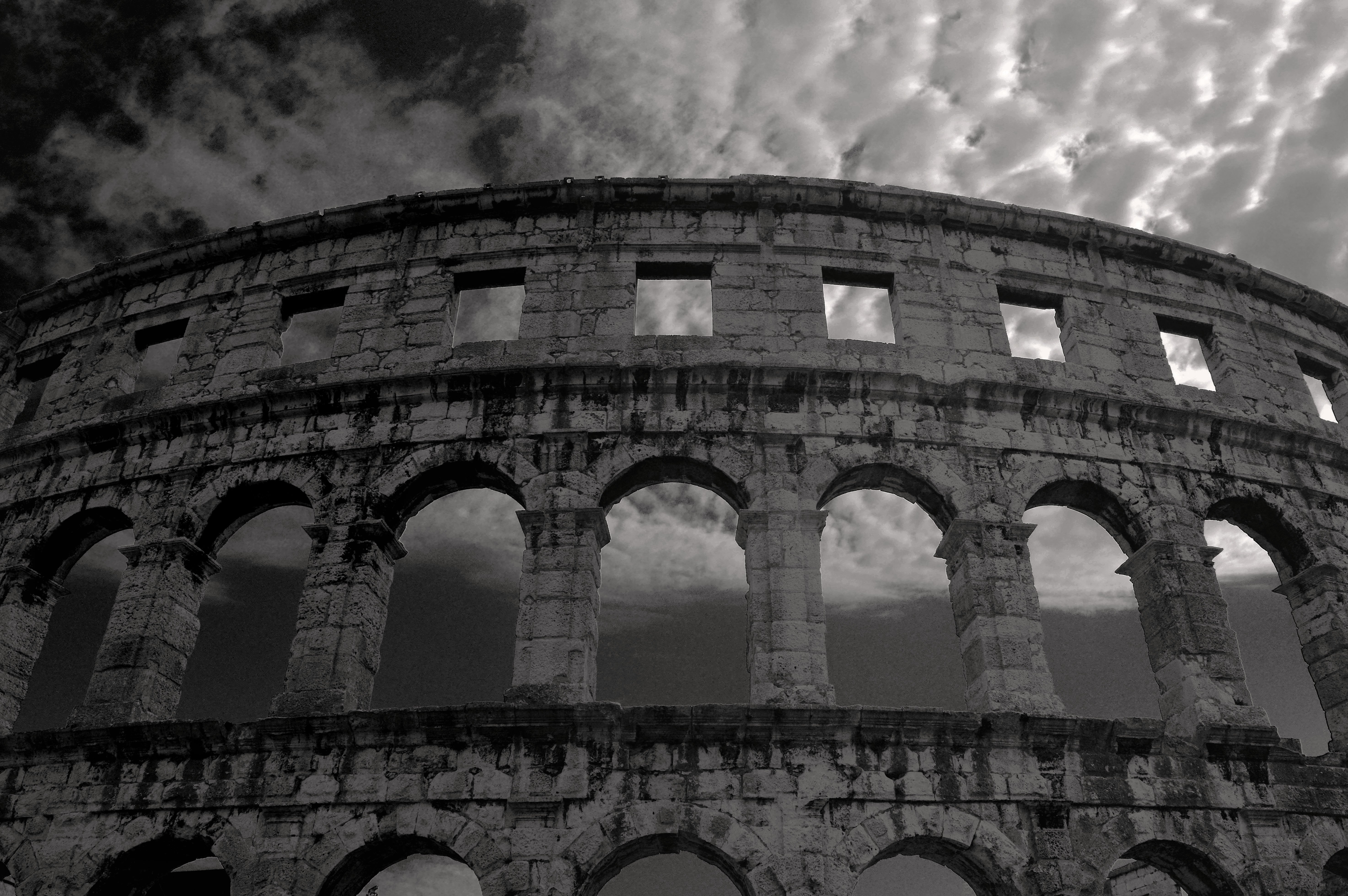
Slovenia has a small coastline, shouldered by Italy and Croatia, and after the mountainous scenery we headed down to Piran to camp on the seaside at Camp Lucija. As expected, the temperature increased to that of mainland Spain but the water of the Adriatic was glorious and we had a lovely time on the sands for a day or two where beach loungers and parasols can be rented for €25 per day after parking near the beach. Piran itself looks similar to Croatian coastal towns such as Pula and Dubrovnik with its red / orange roofed buildings and turquoise / blue sea but has fewer tourists and there’s less to see and do.
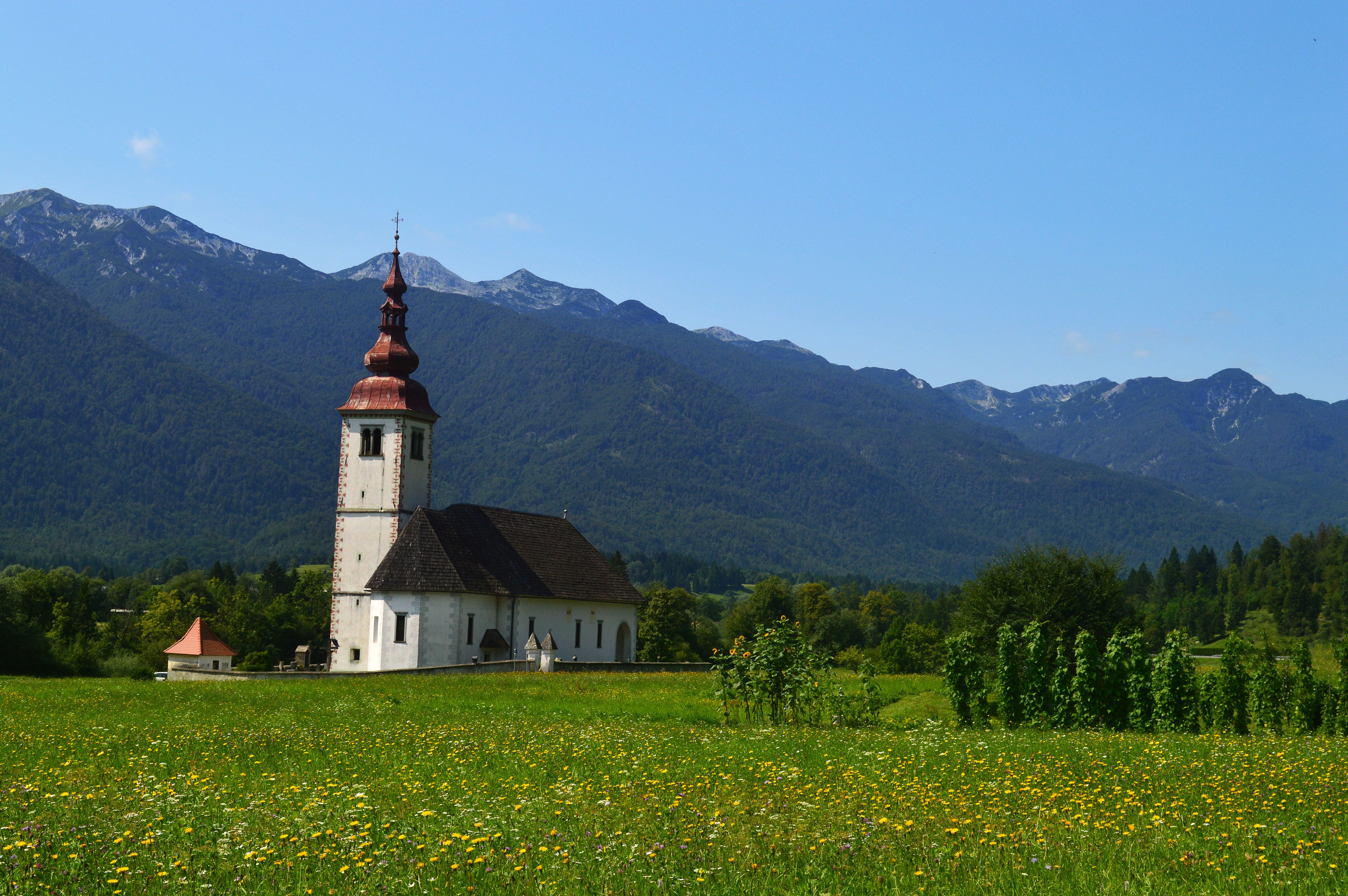
We ended our trip with a visit to the Karst region in western Slovenia, famous for its red wine. The karst rock makes for good grape growing and most small farms make their own wine which they sell locally rather than focusing on large upscaling of business. This makes the whole area feel family friendly and lots of wineries offer wine tasting on top of their accommodation. We stayed at Hiša Posebne Sorte, a beautiful little winery and hotel in the tiny village of Kodreti where we had a wine tasting evening (€15 per person), sampling 5 wines made by the winery themselves along with a potted history of the region. We had originally booked a wine tasting event at the nearby Fedora Winery (€35 per person) but had to change our plans but nearly all the wineries in this area offer similar tasting menus. The scenery was stunning, the wine better and the host who took us through 2 whites, an orange and 2 reds was knowledgeable and entertaining. If you like wine, this is a good place to be!
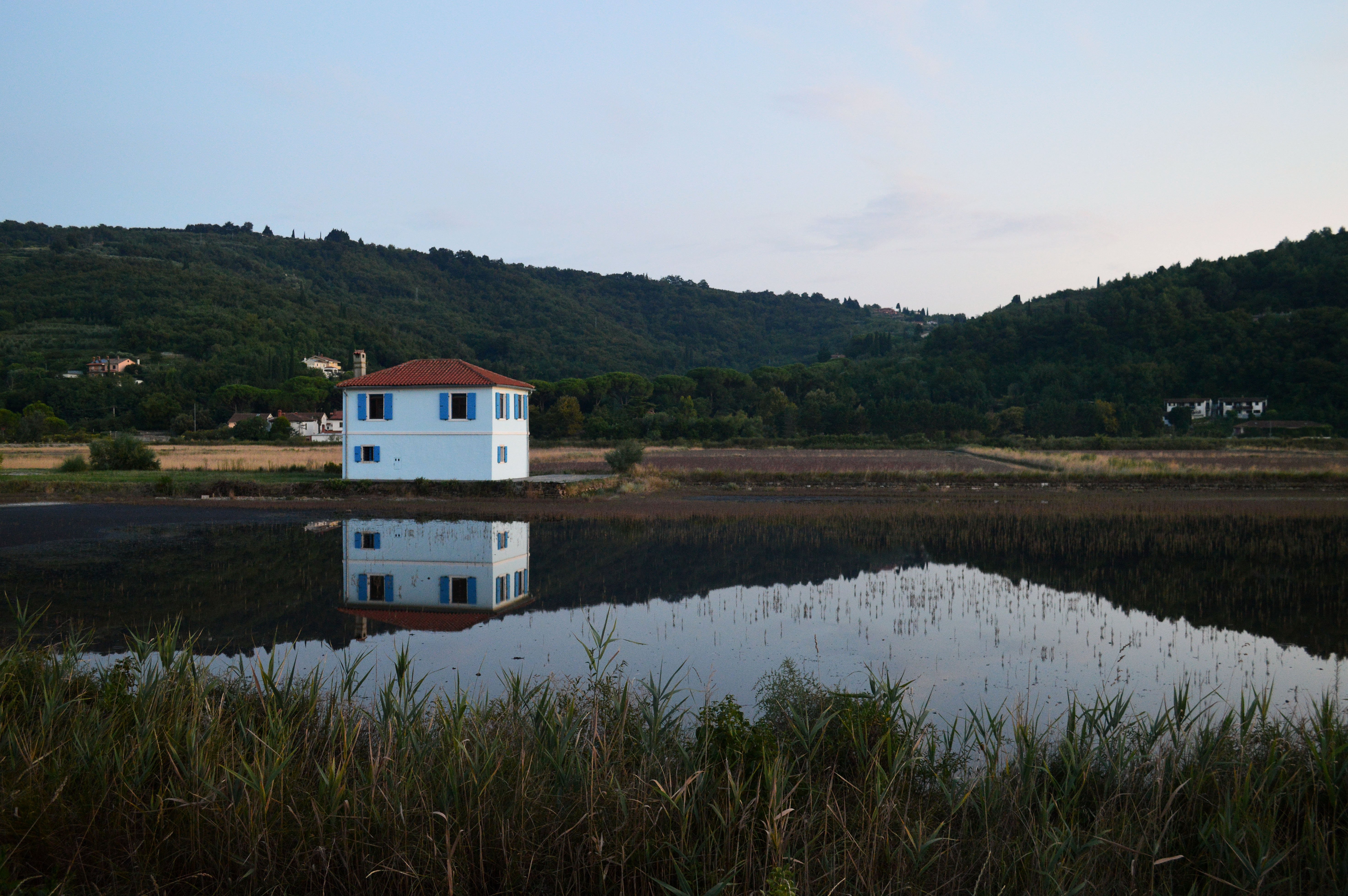
Overall, Slovenia offers so much in terms of travelling opportunities. It is perfect for hikers, bikers and outdoor pursuit lovers as well as those who want a slower paced travel style with wine and time on the beach. The majority of Slovenia’s draw is on the west of the country meaning everything you need is quite close by. You could hit the highlights of Ljubljana, Bled, Bovec and the gorges in as little as 4 or 5 days if you’re pressed for time, or equally take your time and hike the mountains, swim the lakes, float the rivers and drink the wine over 2 or 3 weeks. The transport is good and the country isn’t too expensive for food and accommodation so long as you’re booked in advance or camping. Most travellers we met were from Italy, Austria, Germany, Netherlands and Croatia meaning Slovenia knows it is a hot bed for international tourists and it is well suited for this. A truly beautiful country at every turn. Use our advice or not, remember: it’s what you know, not who you know!